Immersion Pretreatment Systems Engineered for Heavy & Complex Parts
Dip-tank pretreatment for heavy weldments, complex fabrications and high-corrosion-resistance projects. Ketu designs complete immersion lines around your workpieces, chemistry and factory layout.
- 3–9 stage immersion lines for steel, galvanized steel and aluminium
- Ideal for heavy parts and complex shapes with blind areas
- Compatible with phosphate and nano-ceramic chemistries
- Designed as part of a complete powder coating line
Typical Application
Heavy machinery frames · Outdoor cabinets · Agricultural implements
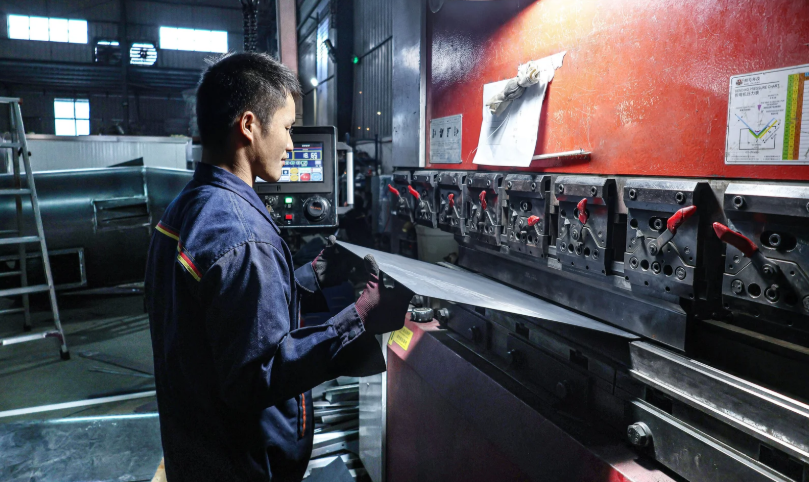
What Is Immersion Pretreatment?
Immersion pretreatment, also called dip pretreatment, uses a series of heated tanks filled with chemicals and rinses. Parts are fully submerged in each tank so that cleaning, derusting and conversion coating happen on every surface – including hidden areas, corners and cavities.
Compared with spray pretreatment, immersion pretreatment gives complete coverage and stable conversion films on heavy and complex parts, making it ideal for demanding corrosion-resistance requirements.
Key Advantages
- • 100% liquid contact, even inside cavities
- • Stable film thickness on complex shapes
- • Works well for very heavy parts
- • Flexible for batch production
Typical Position in Line
- • Loading → Immersion tanks
- • Drain & drip area
- • Dry-off oven
- • Powder booth & curing oven

When to Choose Immersion vs Spray Pretreatment
Immersion pretreatment is the right choice for some factories – but not all. Ketu compares both methods based on your products, line speed and quality targets.
When Immersion Pretreatment Is Recommended
Dip pretreatment as the main solution
- • Parts are very heavy or difficult to hang in a spray tunnel
- • Complex shapes with many cavities, corners and blind holes
- • High corrosion-resistance or strict salt-spray requirements
- • Batch production with baskets or frames instead of continuous conveyor
- • Mixed product sizes where dwell time must be adjusted

When Spray Pretreatment May Be Better
Alternative for high-speed conveyor lines
- • Mostly simple part geometry, easy to clean by directional spray
- • Continuous overhead conveyor with stable, higher line speed
- • Limited floor space for tanks and hoists
- • Lower corrosion-resistance requirements for indoor products
- • Existing spray tunnel already installed on the line
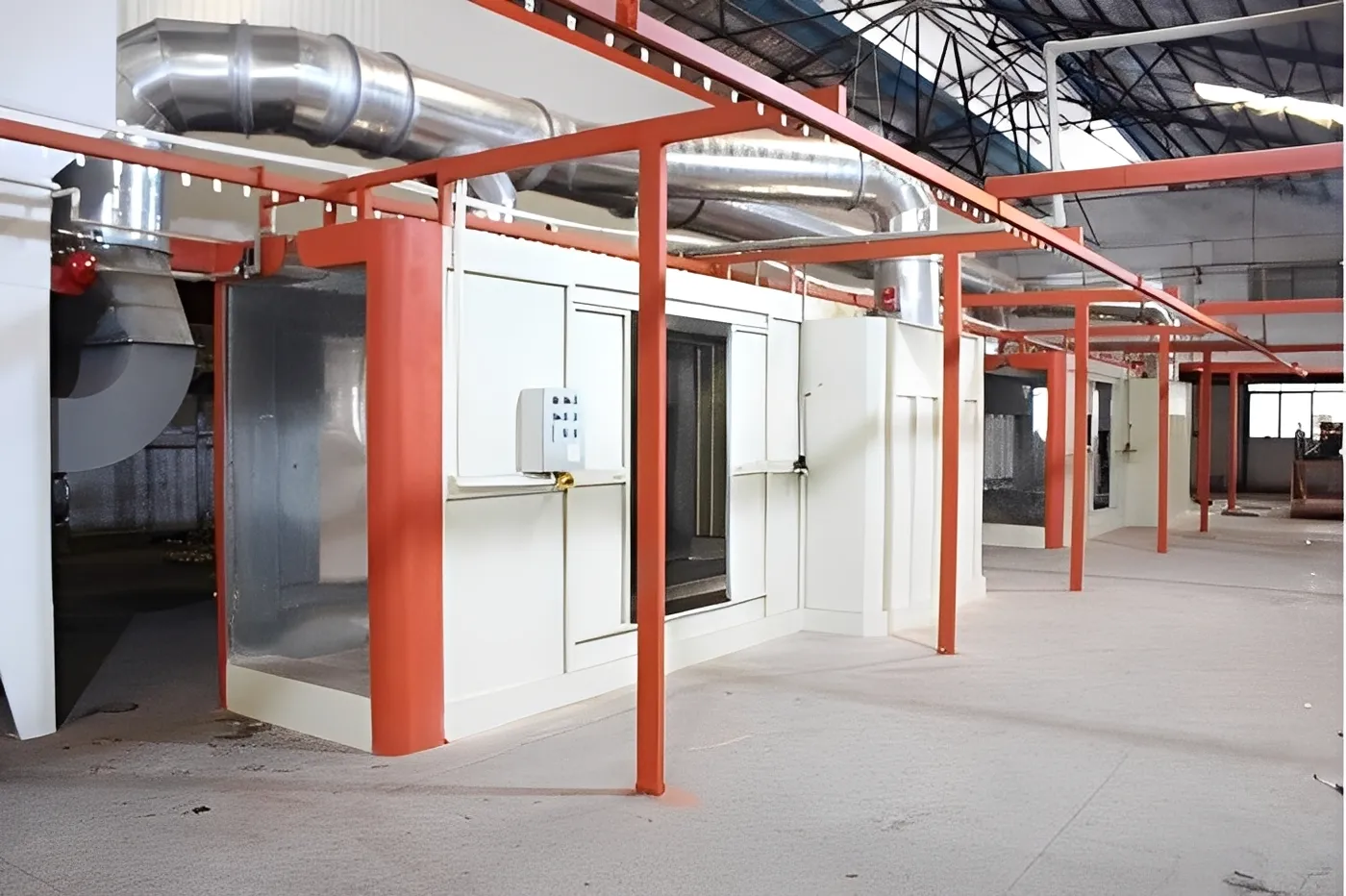
Typical Immersion Pretreatment Configurations
From simple manual tank sets to fully automatic transfer-hoist systems, Ketu designs immersion lines that fit your product mix, throughput and budget.
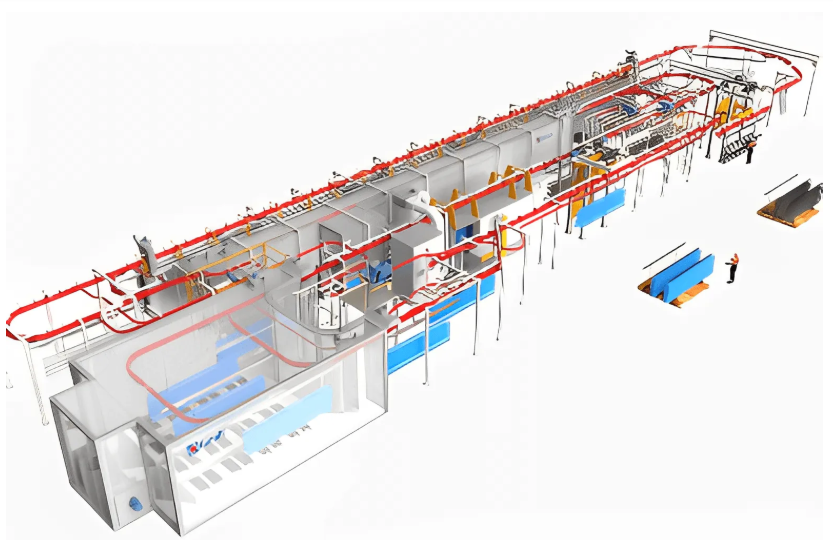
Manual Dip Tank Line
Entry-level 3–5 tank systems where operators move racks or baskets by manual crane or forklift.
- • Best for small batch production
- • Heavy welded parts and fabrications
- • Simple control, easy maintenance
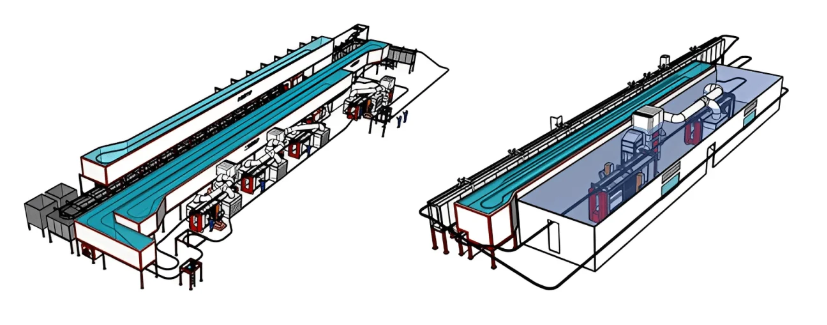
Semi-Automatic Hoist Line
Motorized hoist running over a tank row, controlled from an operator panel with adjustable dwell times.
- • 5–7 stages for higher quality and consistency
- • Ideal for furniture frames, outdoor products
- • Better process control with less labour
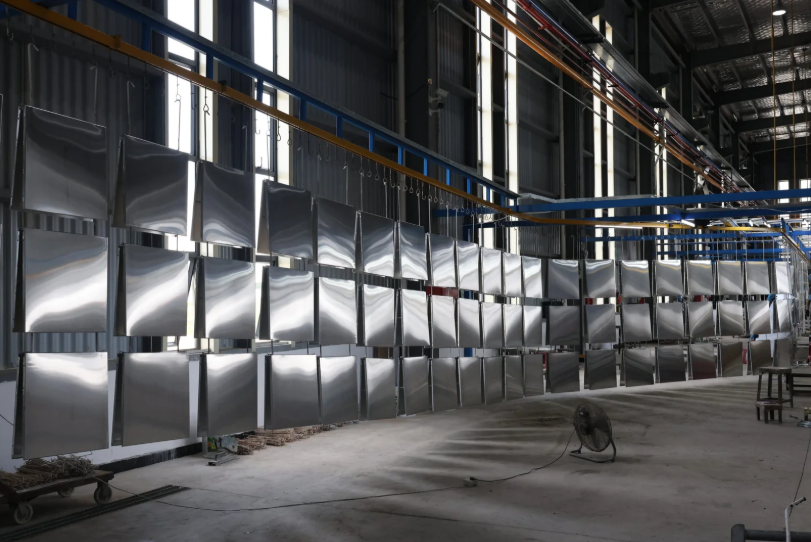
Automatic Transfer Hoist Line
One or multiple automatic hoists with PLC recipe control, designed for demanding OEM specifications.
- • 7–9 stages for high-performance coatings
- • Recipe-based dwell times for each product family
- • Full integration with powder coating line control
Substrates & Industries Served
Ketu immersion pretreatment systems are engineered for a wide range of metal substrates and end-use environments, from indoor machinery to outdoor infrastructure and equipment.
Substrates
- • Mild and structural steel
- • Galvanized and zinc-coated steel
- • Aluminium and aluminium alloys (with suitable chemistry)
- • Selected mixed-metal assemblies (after process review)
Typical Industries
- • Heavy machinery and construction equipment
- • Agricultural machinery and implements
- • Steel & aluminium fabrications for building & infrastructure
- • Outdoor cabinets, enclosures and telecom equipment
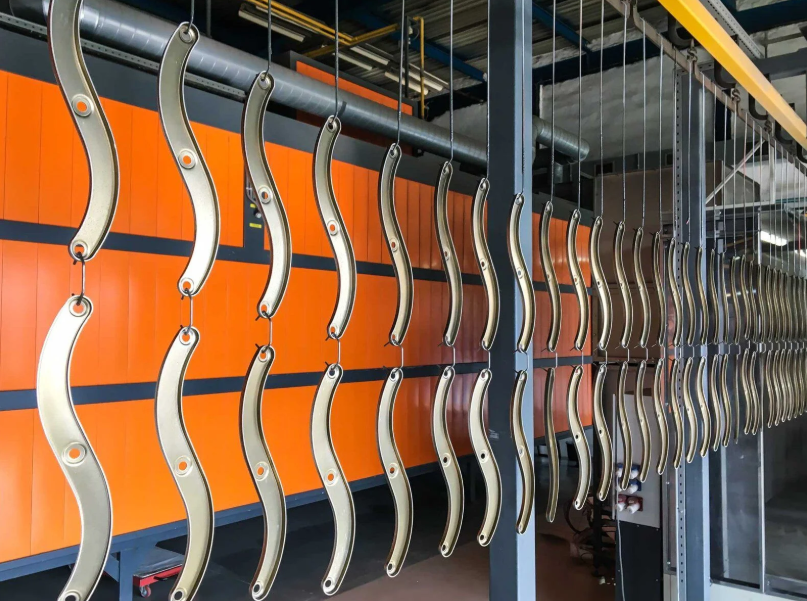
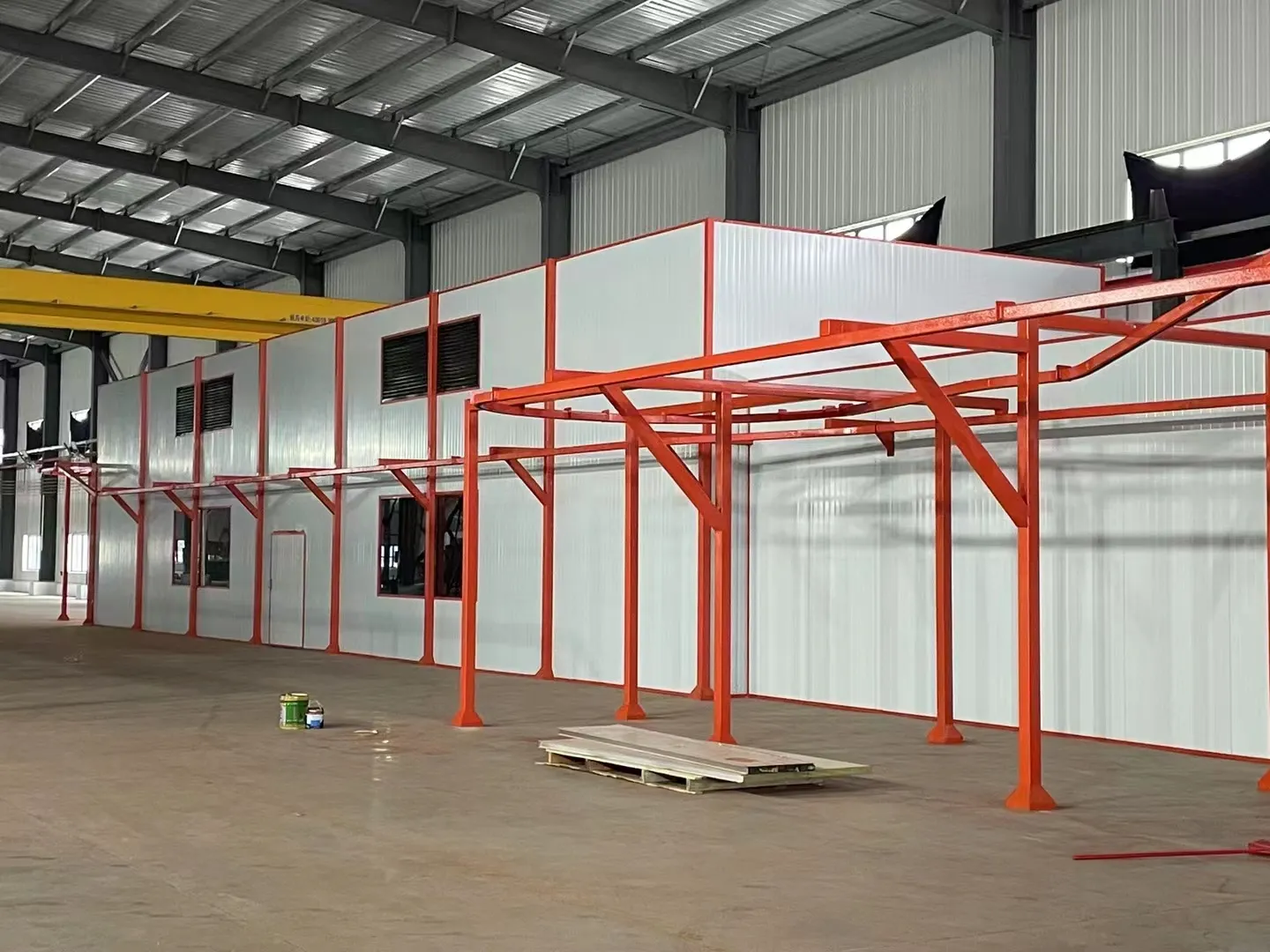
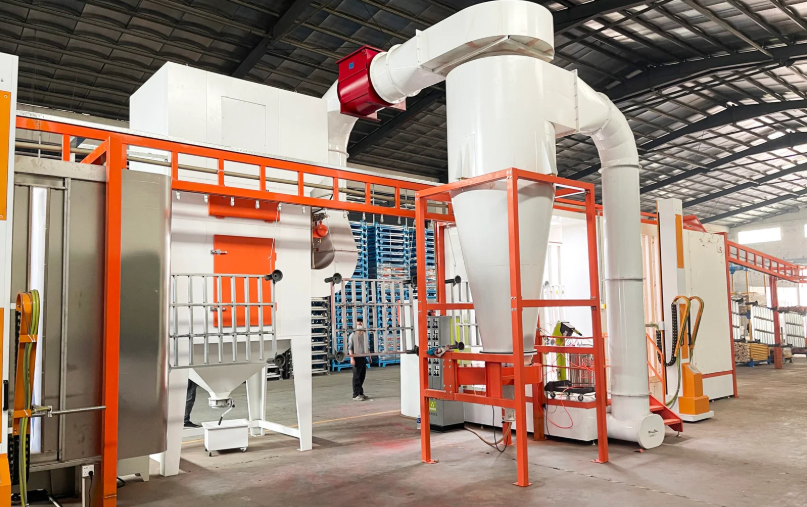
Key Design Features of Ketu Immersion Systems
Every immersion line is engineered as a complete system – tanks, hoists, platforms, circulation, heating and controls – sized for your real production, not just a catalogue drawing.
Tank Construction
Welded steel or stainless-steel tanks with insulation and covers, designed for your chemistry and temperature range.
Jigs, Racks & Baskets
Custom fixtures optimised for good liquid flow, drainage and minimal marks on visible surfaces.
Hoists & Handling
Manual, semi-automatic or fully automatic hoists with adjustable lifting speed and PLC control.
Circulation & Filtration
Pump circulation, agitation and sludge filtration to keep baths homogeneous and extend bath life.
Heating & Exhaust
Electric, steam, gas or diesel heating with exhaust hoods and ducting designed to meet environmental requirements.
Control & Monitoring
Temperature, level and optional pH / conductivity monitoring with PLC or touch-panel control and recipe management.

Energy, Water & Chemical Management
Immersion pretreatment can consume significant utilities. Ketu designs lines with long-term running cost in mind, not only the initial investment.
Cascade rinsing: fresh water added only to the final rinse, overflowing backwards to previous stages to reduce water usage.
Insulated tanks and covers: lower heat loss, reduced steam in the workshop and smaller energy bills.
Automatic dosing: keep chemical concentration stable, reduce over-dosing, and maintain consistent quality.
Sludge management: filtration and sludge removal options to extend bath life and cut chemical waste.

Integrated with Your Powder Coating Line
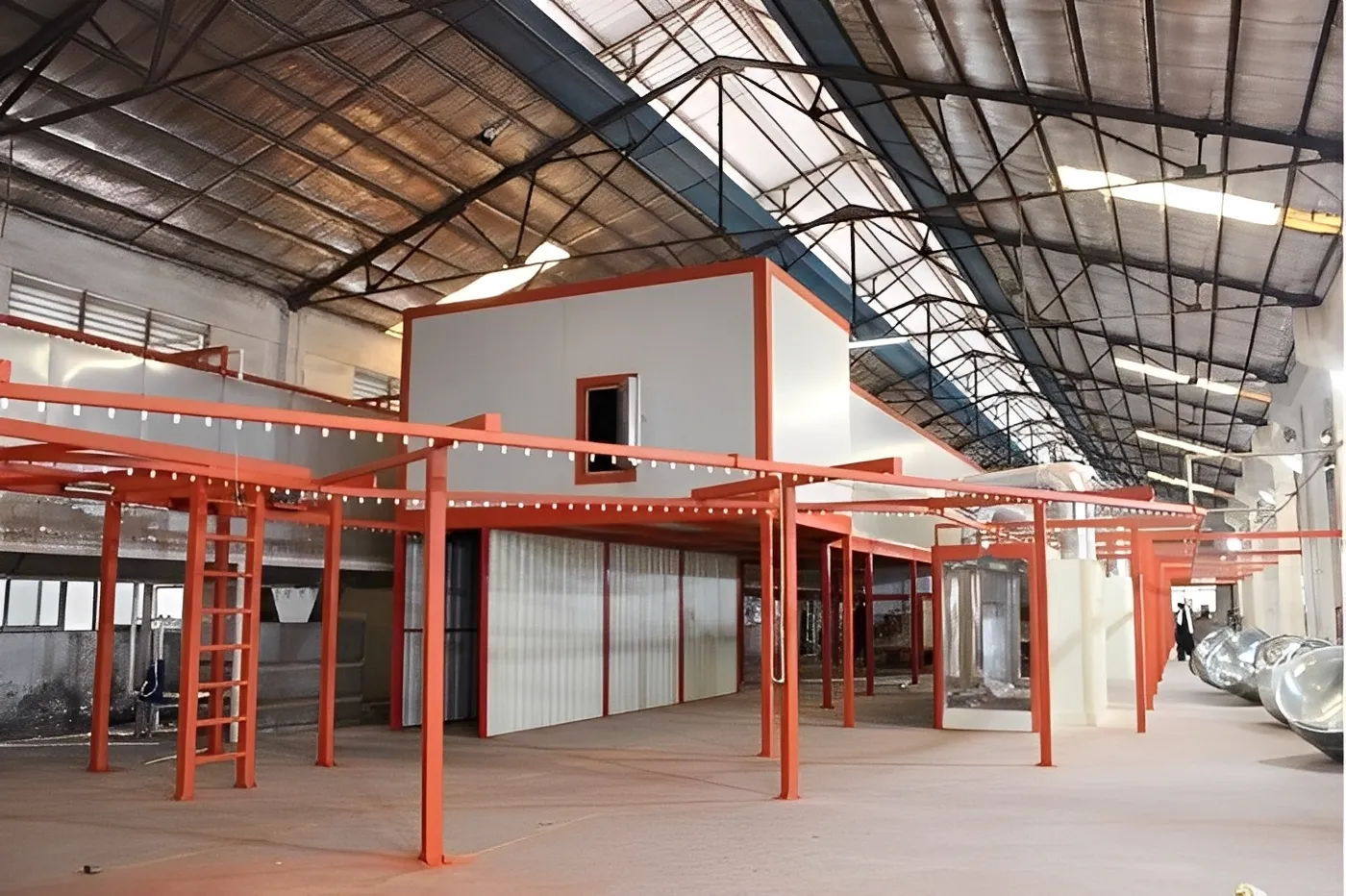
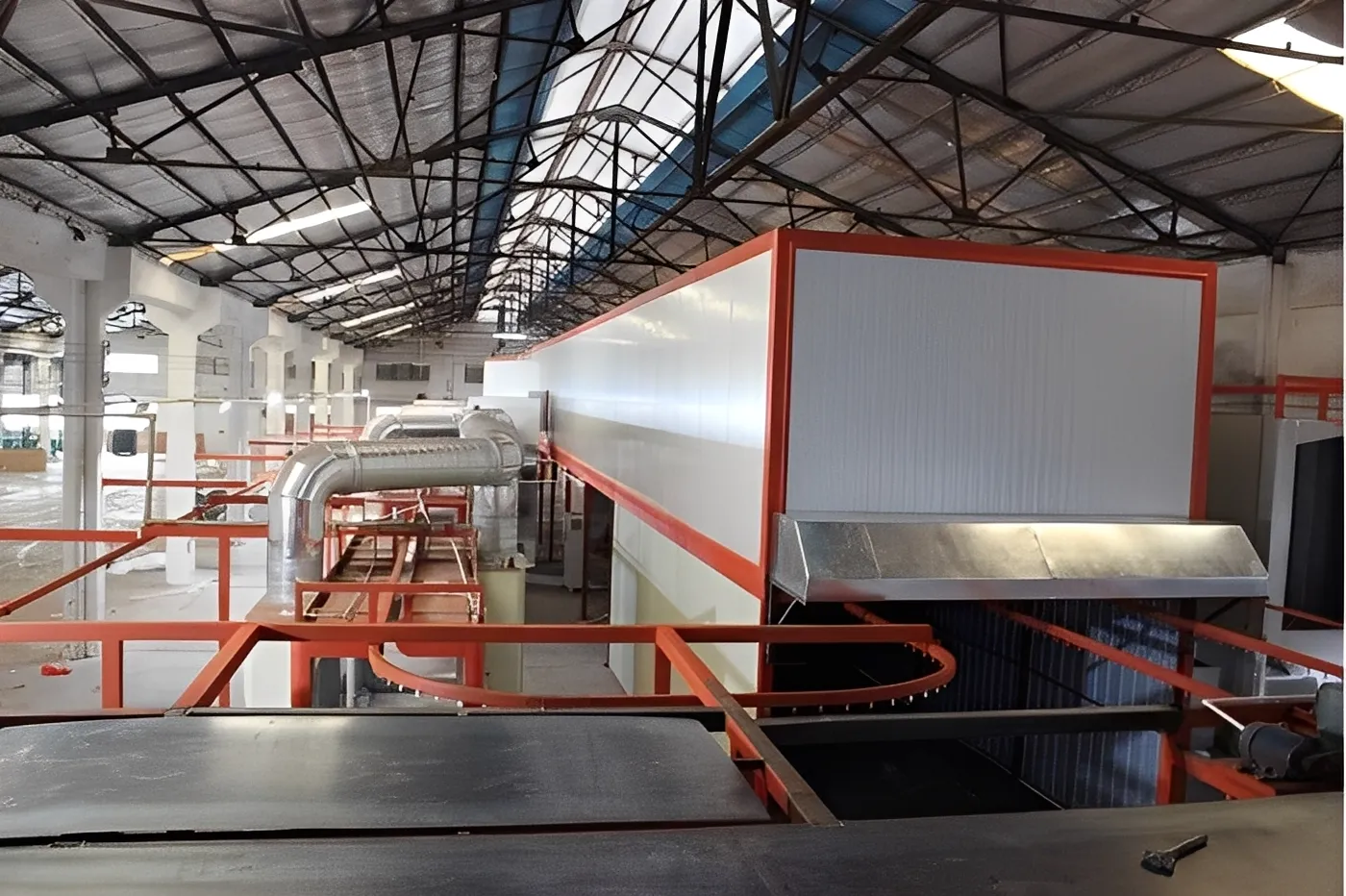
Immersion pretreatment is only the first step. Ketu designs the complete flow – from raw parts entering the pretreatment area to finished coated products leaving the curing oven.
- 1. Loading area with racks, baskets or jigs
- 2. Immersion pretreatment tanks and drip zones
- 3. Dry-off oven matched to your part size and cycle time
- 4. Cooling or buffer area before entering the powder booth
- 5. Powder coating booth and curing oven
- 6. Unloading, inspection and packing area
Example Immersion Pretreatment Projects
Real projects where Ketu immersion pretreatment systems improved corrosion resistance, reduced rework and stabilised coating quality.
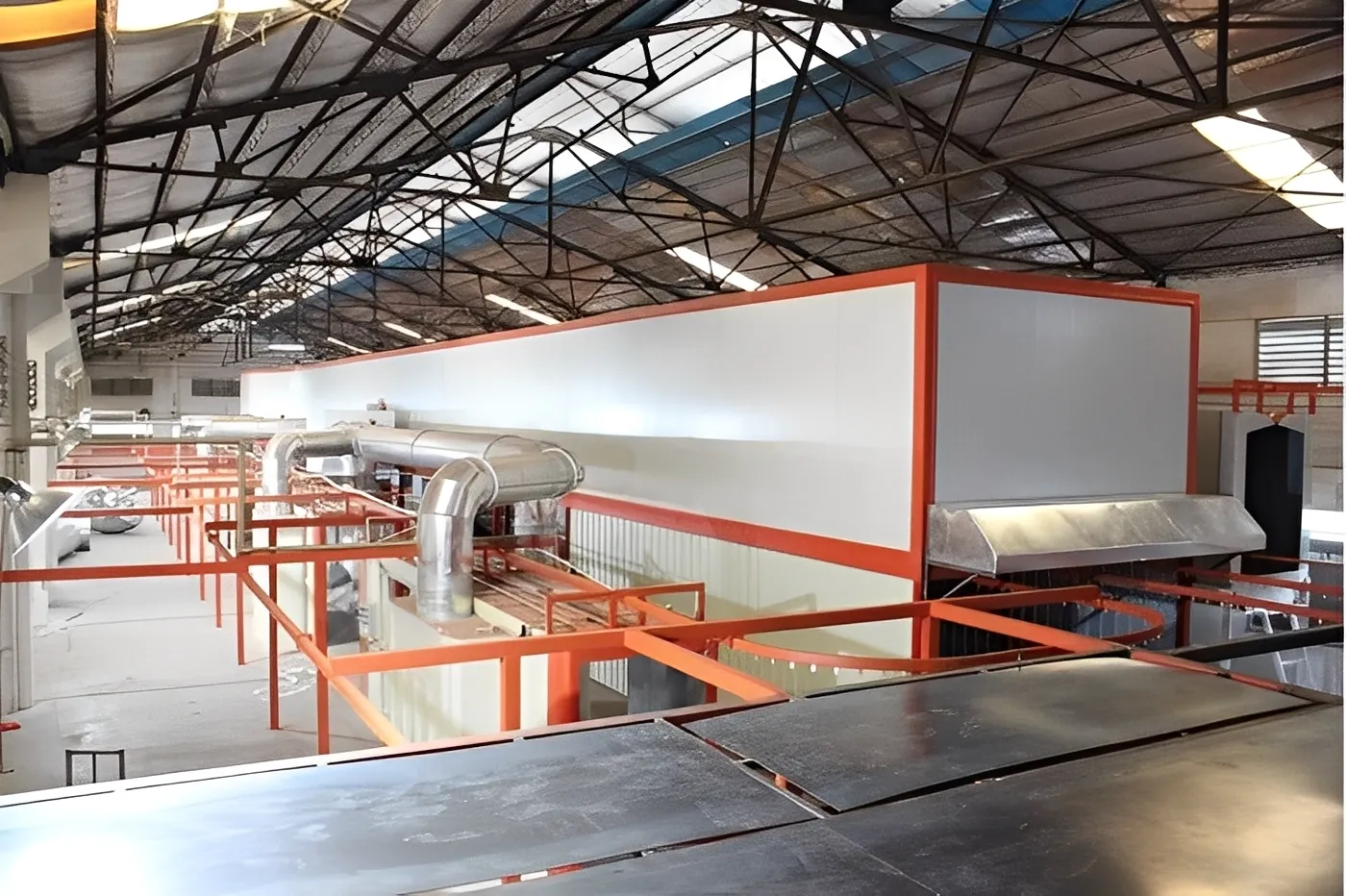
Heavy Machinery Fabrication Line
Construction equipment weldments
6-tank hoist line with degrease, rinse, phosphate and DI rinse, followed by dry-off oven and manual powder booth.
Result: stable adhesion, fewer reworks and consistent quality for export markets.
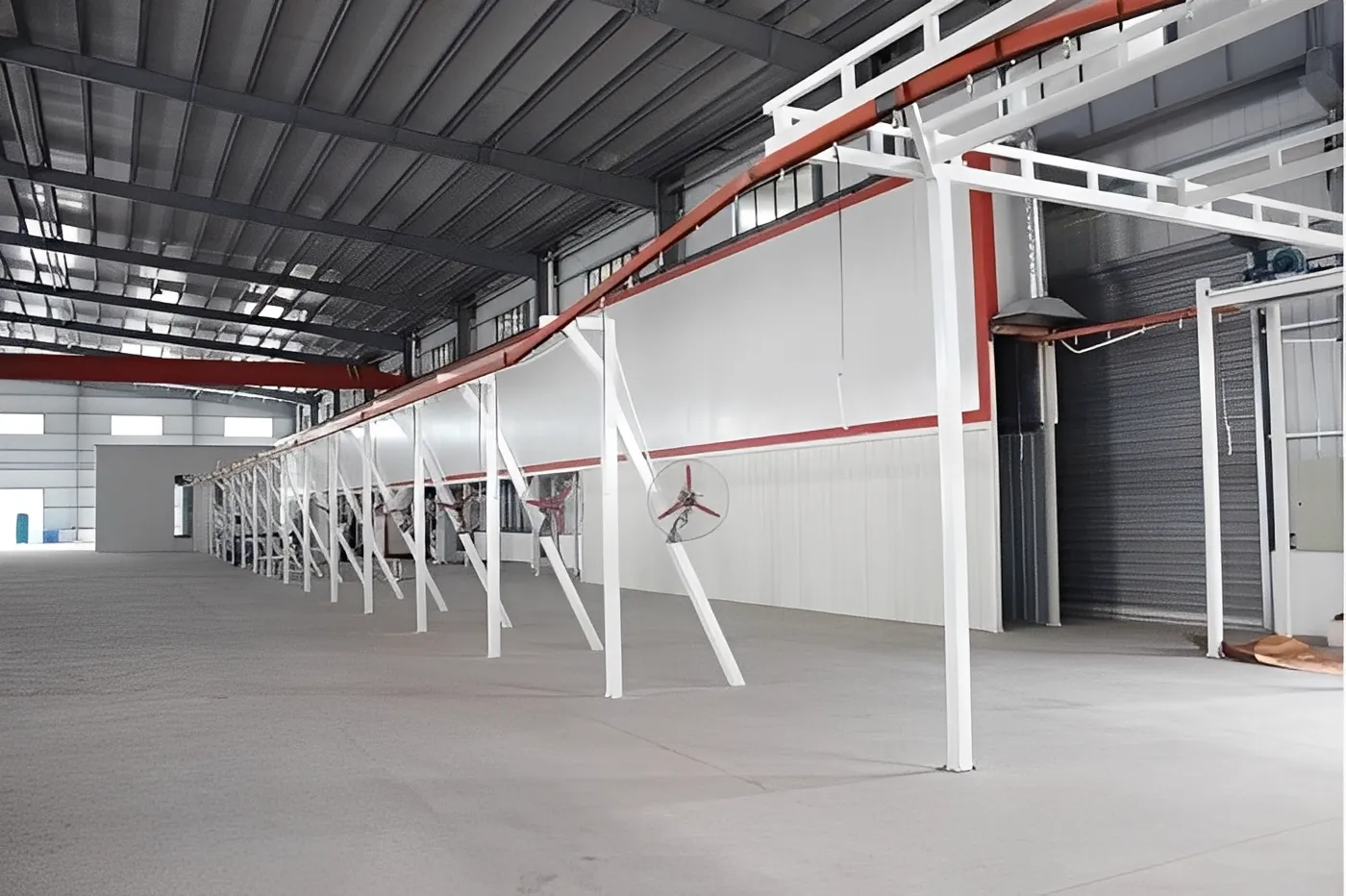
Agricultural Equipment Manufacturer
Outdoor implements and attachments
Automatic transfer hoist line with 7 stages, including derusting, zinc phosphate and passivation, integrated with powder line.
Result: high corrosion resistance in outdoor field conditions and longer service life.
Outdoor Cabinet & Enclosure Factory
Steel & galvanized cabinets
Semi-automatic immersion line designed to run both steel and galvanized steel under controlled windows.
Result: reliable salt-spray performance and stable quality for telecom and power projects.
Immersion Pretreatment FAQ
Common questions from engineers and factory owners who are comparing immersion pretreatment with spray systems.
1. When should I choose immersion pretreatment instead of spray? ▾
2. How many tanks or stages do I need? ▾
3. Can one immersion line handle many different product sizes? ▾
4. Can I run steel and aluminium in the same immersion pretreatment line? ▾
5. What chemicals can your immersion systems work with? ▾
6. How do you control quality in an immersion pretreatment system? ▾
7. How much space do I need in my factory for an immersion line? ▾
8. Can you upgrade an existing manual tank line to semi-automatic or automatic? ▾
9. What corrosion performance (salt spray hours) can immersion pretreatment support? ▾
10. How is wastewater and environmental impact handled for immersion lines? ▾
11. What information do you need from us to design an immersion pretreatment system? ▾
12. What is the typical investment and lead time for an immersion pretreatment line? ▾
Need an Immersion Pretreatment Line for Your Factory?
Share your part photos, material information and available workshop space. Ketu will design an immersion pretreatment system that fits your powder coating line and long-term running cost targets.
 English
  German
  Vietnamese
  French