Pretreatment Systems for Powder Coating Lines
Pretreatment Systems
Clean, Activate & Protect Your Parts
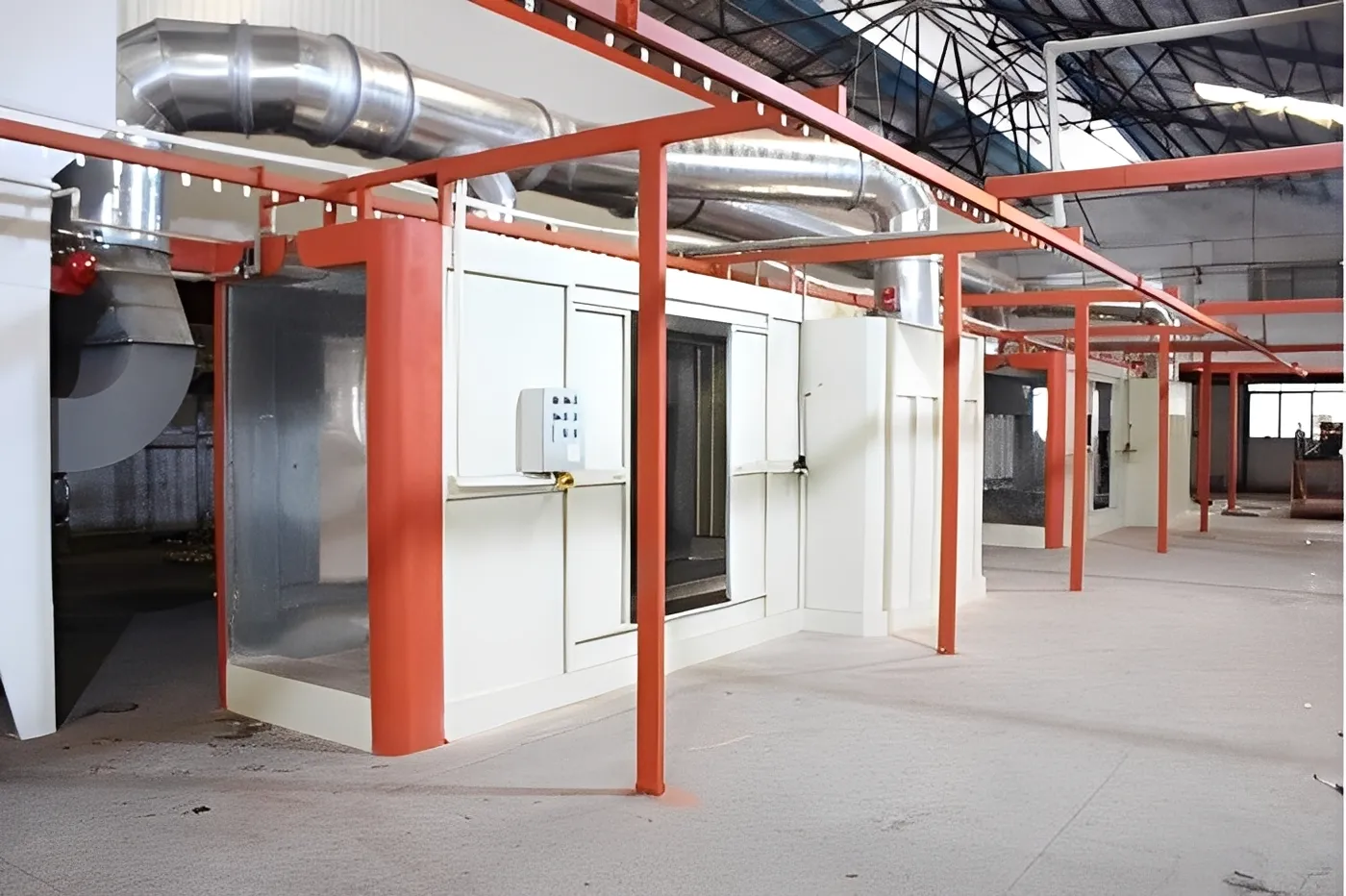
A powder coating line is only as good as its pretreatment. Ketu designs and builds spray tunnels, immersion systems and compact washers that remove oil, dust and rust – and create the right conversion layer for long-lasting powder coating performance.
- Engineered for steel, galvanized steel and aluminium parts.
- Matched to your line speed, corrosion target and coating system.
- Integrated with drying ovens, booths and conveyors as one system.
Why Pretreatment Matters for Your Powder Coating Line
Even the best powder booth and curing oven cannot fix poor pretreatment. If oil, dust or rust stay on the surface, you will see peeling, rust and customer complaints. A properly designed pretreatment system gives you a clean, active and consistent surface for powder coating.
Typical Problems Without Pretreatment
- • Poor adhesion and peeling on edges and corners
- • Rust and under-film corrosion after installation
- • Colour defects and visible contamination
- • Unstable quality from batch to batch
What a Good Pretreatment Gives You
- • Clean surface with controlled roughness
- • Proper conversion coating for adhesion
- • Significant improvement in corrosion resistance
- • Longer lifetime in outdoor and industrial use
Example of adhesion and corrosion performance difference before and after a proper multi-stage pretreatment process. Actual performance will depend on chemistry and powder system.
Typical Ketu Pretreatment Line Configuration
Example 7-Stage Spray TunnelStage 1 – Degreasing / Cleaning
Removes oil, cutting fluid and shop contamination from fabrication and welding.
Stage 2 – Water Rinse 1
Rinses off chemistry and loosened contamination to protect the next stage.
Stage 3 – Surface Conditioning
Optional stage to make the conversion coat more uniform, especially on mixed metals.
Stage 4 – Conversion Coating
Phosphate or nano-ceramic layer for adhesion and corrosion resistance.
Stage 5 – Water Rinse 2
Removes residual chemicals to stabilise the film and reduce contamination.
Stage 6 – DI / RO Final Rinse
De-mineralised rinse to minimise spotting and stains before drying.
Stage 7 – Drip-off / Flash-off
Controlled zone for drag-out return and preparation for the drying oven.
Process Flow Illustration
Each zone has its own tank, pump, heating and dosing system, designed around your line speed and corrosion target.
Pretreatment System Types We Provide
Different factories need different solutions. Ketu engineers spray, immersion and compact pretreatment systems to match your production reality.
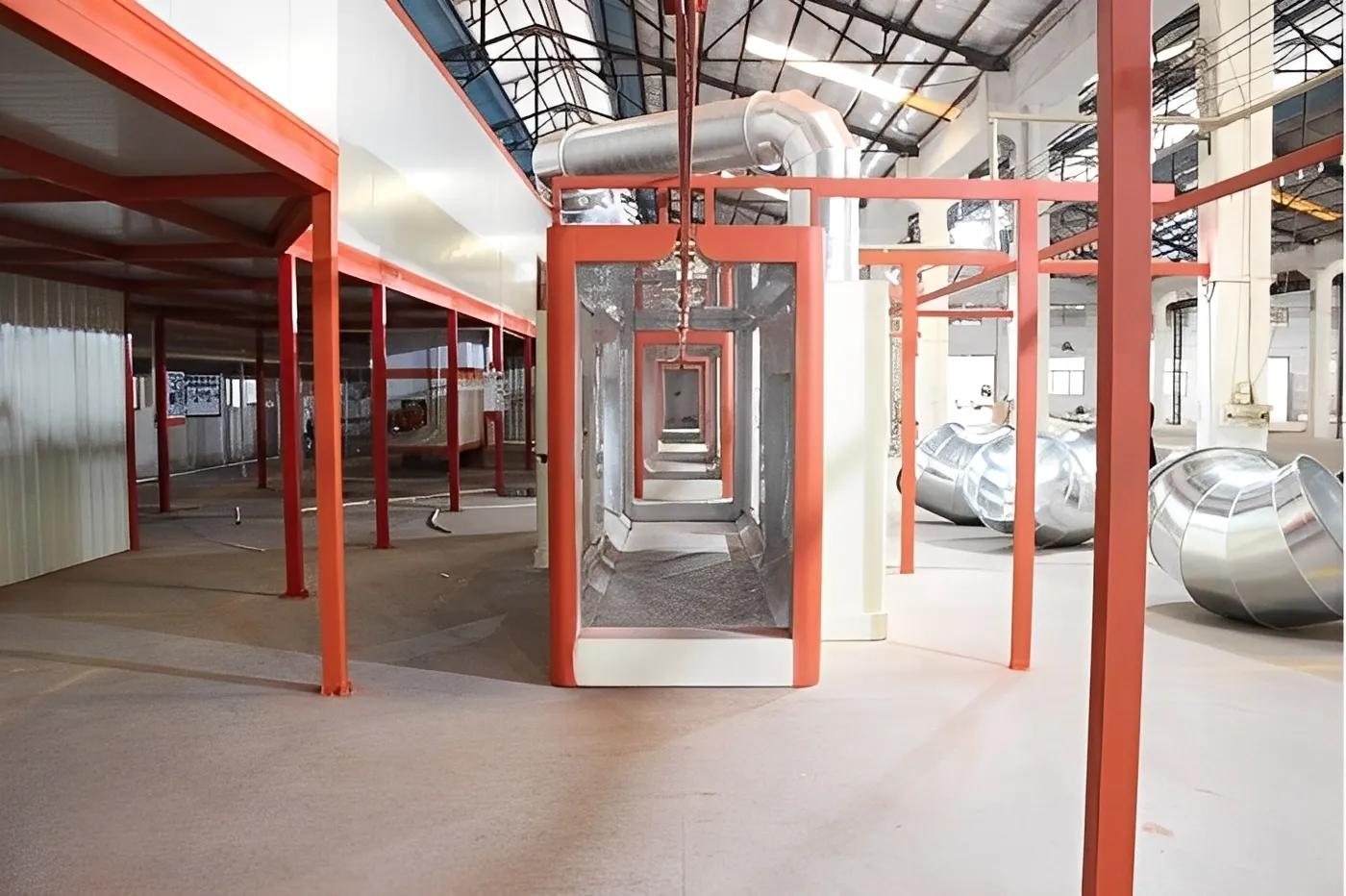
Spray Tunnel Pretreatment
Continuous conveyor line passing through enclosed spray zones, ideal for series production with stable part flow.
- • Best for automatic lines and high throughput
- • Optimised nozzle design for your part hanging
- • Compatible with multi-stage phosphate or nano systems
Immersion / Dipping Systems
Deep tanks for complete part submersion and longer contact time – ideal for heavy structures and complex weldments.
- • Suitable for heavy steel and complex geometry
- • Better penetration into cavities and corners
- • Can be combined with manual or automatic lines
Compact & Manual Stations
Space-saving washers and manual spray stations for job-shop, prototype or special part treatment.
- • Good entry solution for smaller factories
- • Flexible for many different part shapes
- • Can later be upgraded to a full tunnel line
Built for Real Factory Conditions
Pretreatment is one of the most demanding zones in your line. Constant heat, chemistry and moisture will quickly damage under-designed equipment. Ketu selects tank materials, piping and insulation based on your chemistry and operating schedule.
Tank & Tunnel Materials
- • Stainless steel for aggressive chemistry
- • Carbon steel with lining where appropriate
- • Acid-resistant nozzles and piping
Energy & Water Saving
- • Tank insulation and covered tunnels
- • Rinse water cascading design
- • Thoughtful drag-out and overflow control
Integrated into Your Complete Powder Coating Line
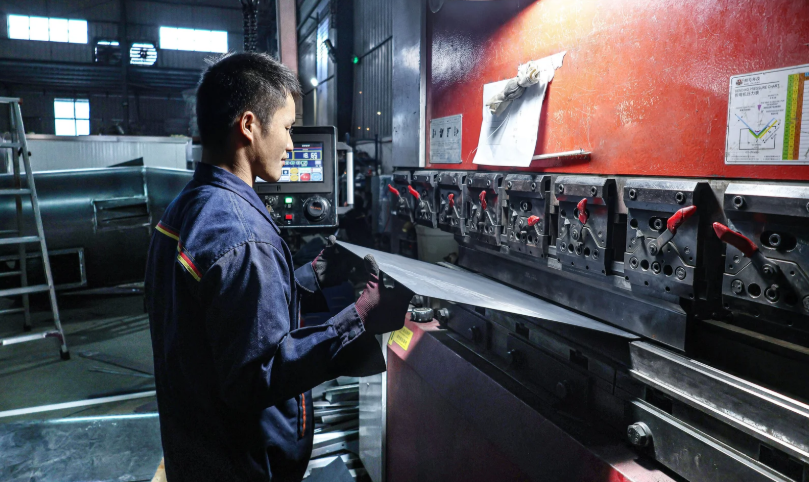
Ketu designs pretreatment as part of the complete line – timing, temperature and buffer zones are all synchronised.
Part of a Complete, Balanced System
A pretreatment tunnel cannot be designed in isolation. Ketu matches tank volume, process time and loading with your drying oven, powder booth and curing oven, so the entire line runs smoothly at your target output.
- Line speed and stage times aligned with your takt time and desired capacity.
- Hanging design optimised to minimise shadow areas and maximise coverage.
- Transfer zones designed to avoid contamination of clean sections.
Example Pretreatment Projects
A few typical applications where Ketu pretreatment systems significantly improved coating performance.
Electrical Cabinet Manufacturer
5-stage spray tunnel + DI final rinse for outdoor switchgear cabinets.
- • Improved adhesion and salt spray performance
- • Reduced rejects from rust on corner seams
Aluminium Profile Producer
Multi-stage pretreatment tuned for aluminium building profiles.
- • Cleaner surface and fewer spots after coating
- • Stable quality for export projects
Mixed Part Job Shop Line
Compact pretreatment with manual support for many different part types.
- • Better coating quality without over-investment
- • Prepared for future upgrade to full tunnel
How to Choose the Right Pretreatment System with Ketu
When you contact us, we will not send a generic drawing. Our engineers ask first about your parts, capacity and corrosion target, then recommend the number of stages and system type.
- • Main part types, materials and largest dimensions
- • Daily or shift output target and takt time
- • Required corrosion resistance (salt spray / standard)
- • Available workshop layout, water and drainage
- • Preferred energy type and local environmental rules
With this information, Ketu can prepare a pretreatment proposal that fits both your coating requirements and your budget.
Ready to Talk About Your Pretreatment Project?
Send us your part photos, dimensions and an outline of your coating requirement. We will reply with suggested stages, layout direction and key questions to finalise the design.
Pretreatment System – Frequently Asked Questions
These are common questions from factories planning a new powder coating line or upgrading an existing system.
 English
  German
  Vietnamese
  French