Spray Pretreatment for Powder Coating Lines
Clean, activate and protect your parts before powder coating with a spray tunnel engineered around your products, chemistry and line layout.
- 3–9 stage spray tunnels for steel, galvanized steel and aluminium
- Compatible with iron / zinc phosphate and nano-ceramic systems
- Integrated with overhead or floor conveyors as one complete line
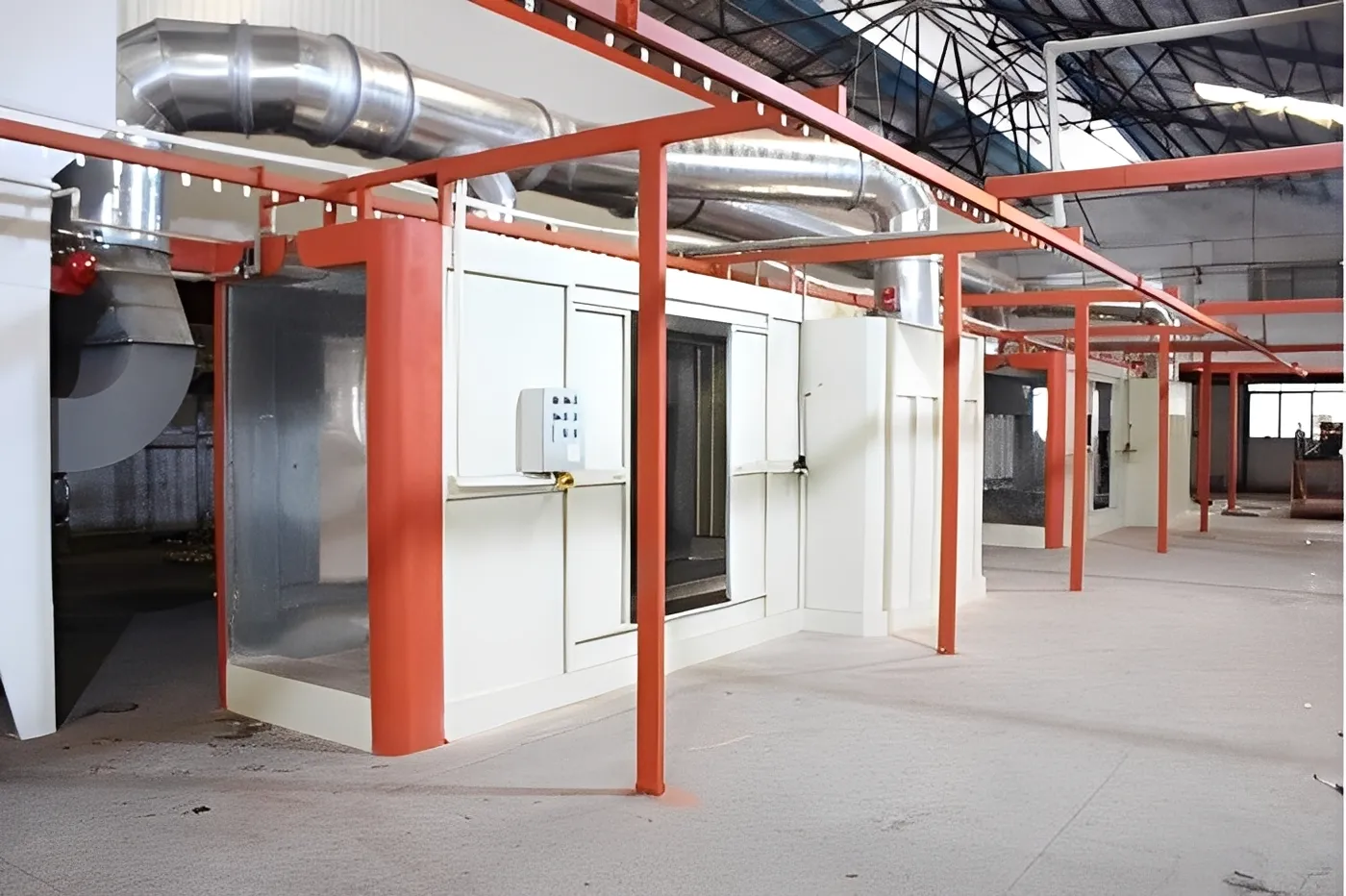
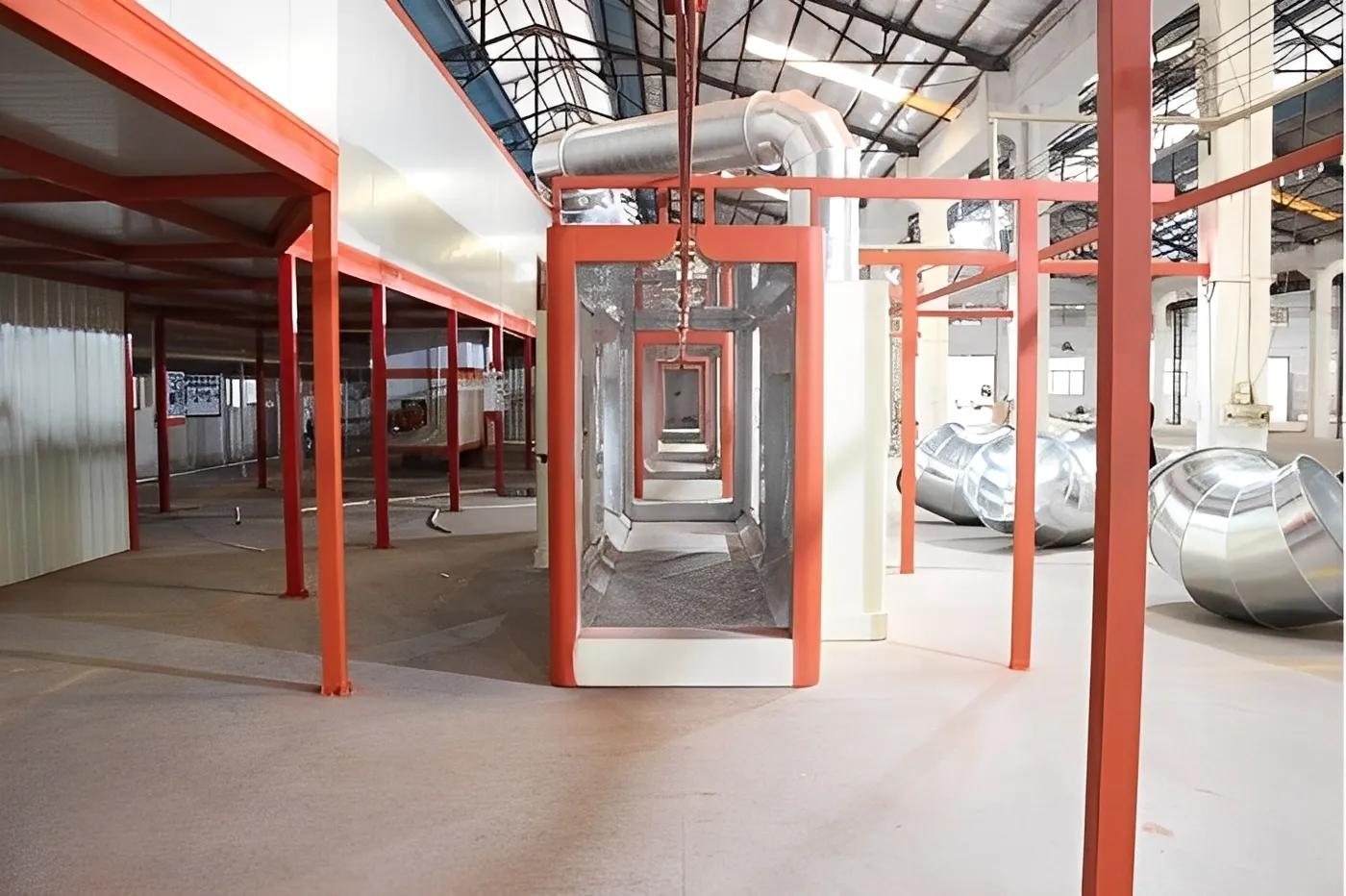
What Is a Spray Pretreatment System?
A spray pretreatment system is a closed tunnel that uses heated chemicals and high-pressure nozzles to clean and prepare metal parts before powder coating. Workpieces move through several zones on a conveyor, passing through degreasing, rinsing and conversion coating stages.
Compared with manual cleaning or single-tank washing, spray pretreatment gives more consistent surface quality, better coating adhesion and predictable, repeatable results for industrial production.
Typical Process Steps
- • Alkaline degreasing / cleaning
- • Water rinsing (1–2 stages)
- • Phosphate or nano-ceramic coating
- • Final rinse (DI / RO)
- • Dry-off oven
Main Benefits
- • Stable and repeatable quality
- • Strong coating adhesion
- • Improved corrosion resistance
- • Suitable for continuous production
Spray Pretreatment Tunnel Layout
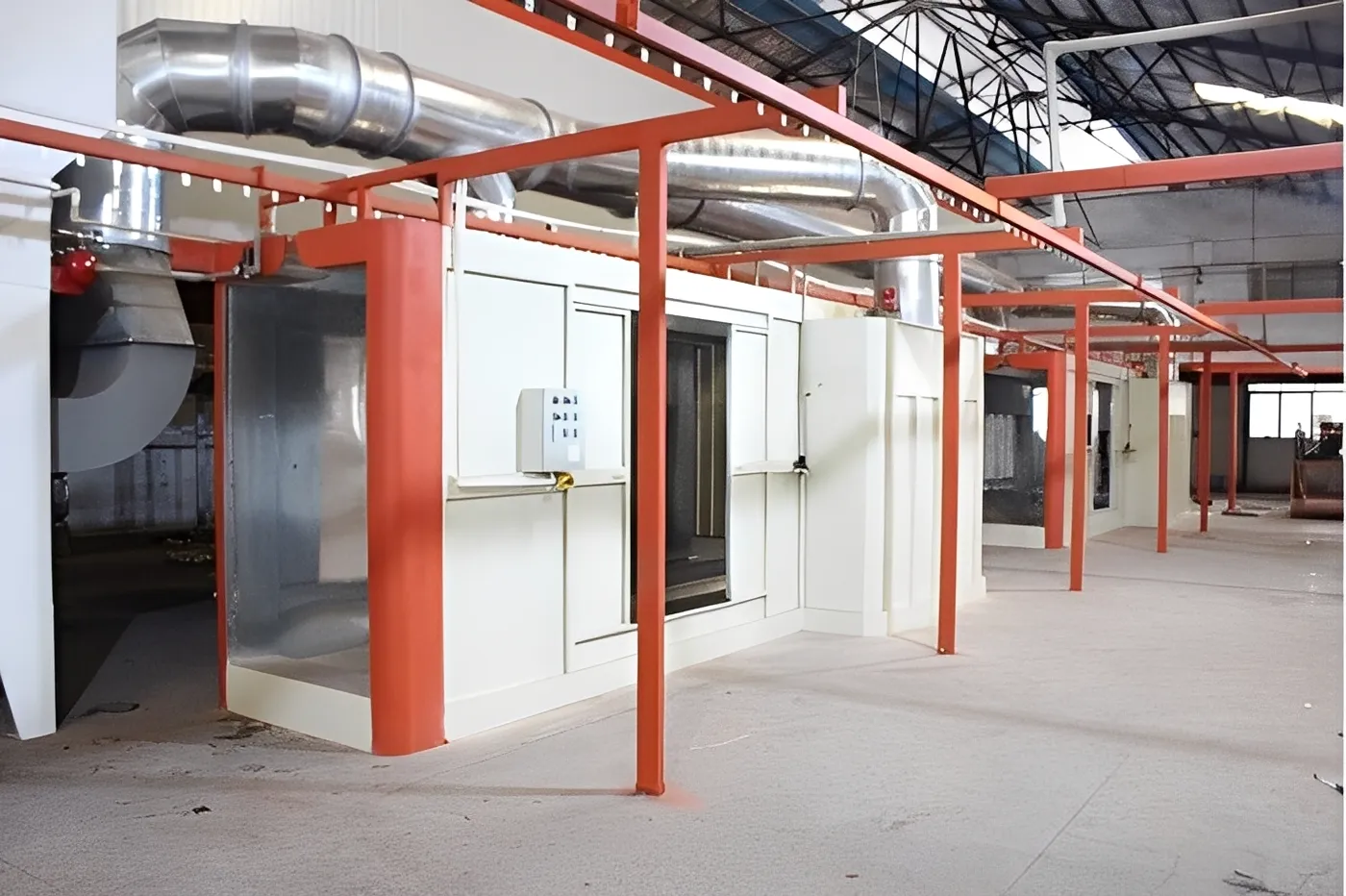
*Illustrations are for layout explanation. Actual design will be customised for your product size and line speed.
Typical Ketu Spray Pretreatment Configurations
From compact entry-level washers to high-performance multi-stage tunnels, we design each system around your substrate, corrosion requirements and available space.
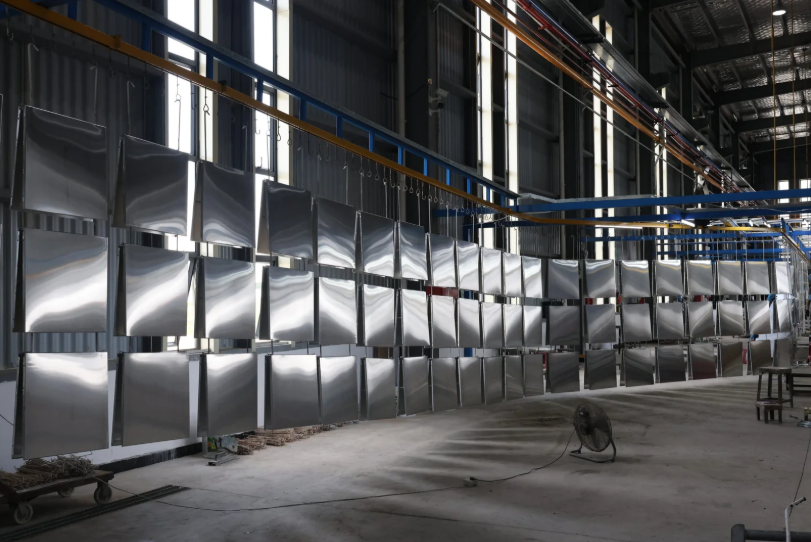
3–4 Stage Compact Line
For small factories or job shops with limited space and indoor steel parts.
- • Degrease spray
- • Rinse / combined rinse + passivation
- • Optional dry-off oven
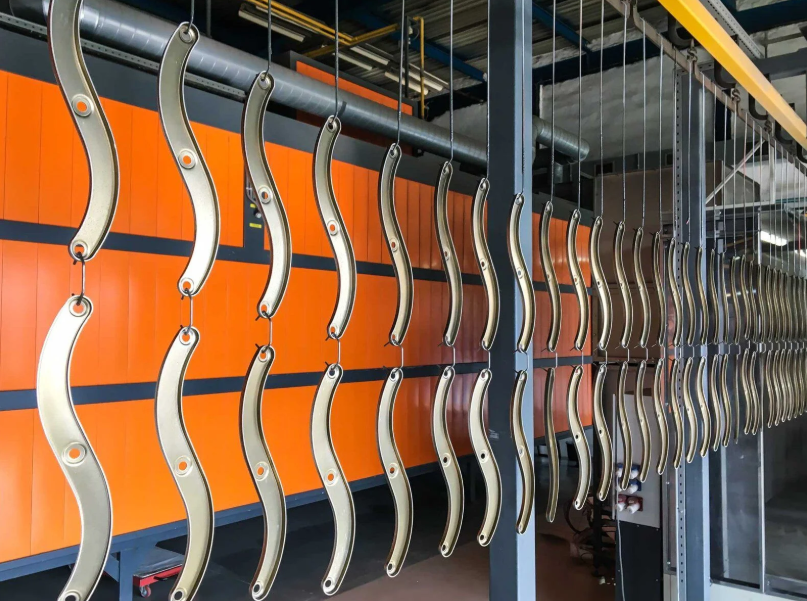
5–6 Stage Iron Phosphate Line
Most PopularStandard configuration for general industrial powder coating with good adhesion and corrosion resistance.
- • Degrease + light derusting
- • Rinse
- • Iron phosphate
- • Rinse + final rinse / DI rinse
- • Dry-off oven
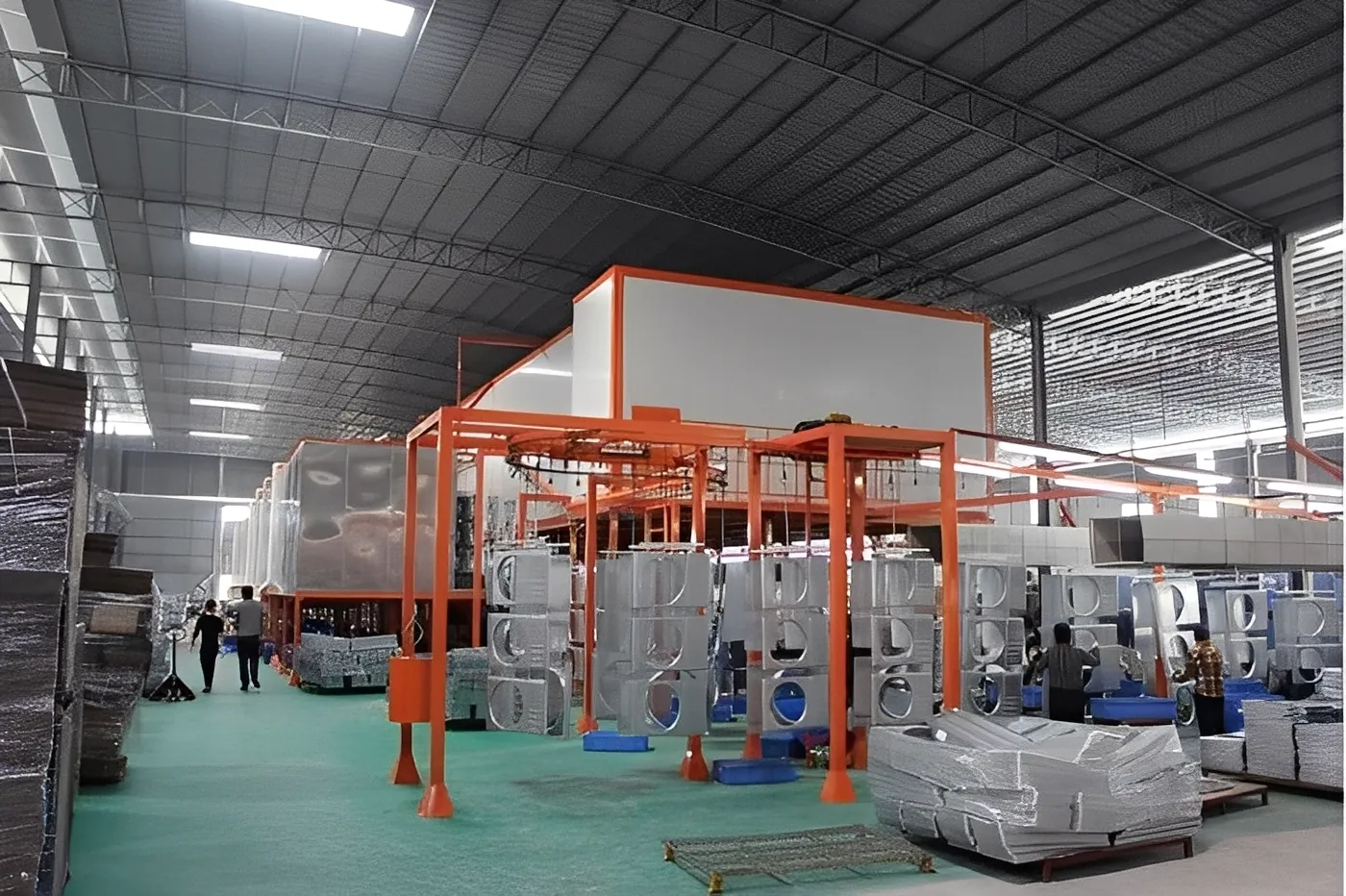
7–9 Stage High-Performance Line
For aluminium profiles, outdoor products and heavy-duty applications with strict salt spray requirements.
- • Degrease, derust / pickling
- • Multiple rinses
- • Phosphate or nano-ceramic coating
- • DI / RO final rinse
- • Dry-off oven
Substrates & Applications
Ketu spray pretreatment systems are engineered for different metals and industries. We select the process and chemistry according to your substrate and corrosion target.
Substrates
- • Mild steel
- • Galvanized steel
- • Aluminium & aluminium alloys
- • Mixed metals (with proper chemistry)
Typical Industries
- • Metal furniture & garden furniture
- • Electrical cabinets & switchgear
- • Machinery frames & welded parts
- • Aluminium profiles & building hardware
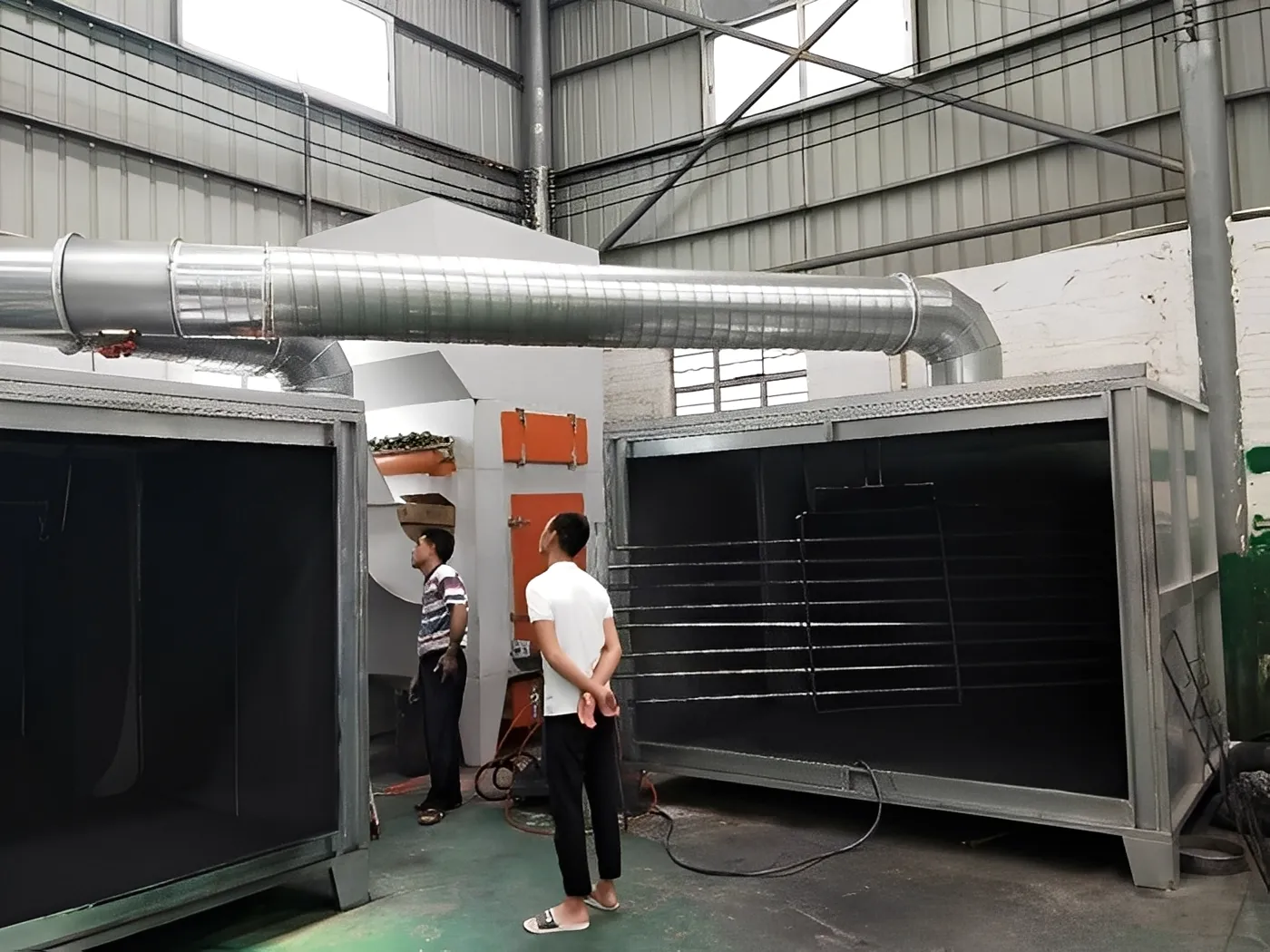
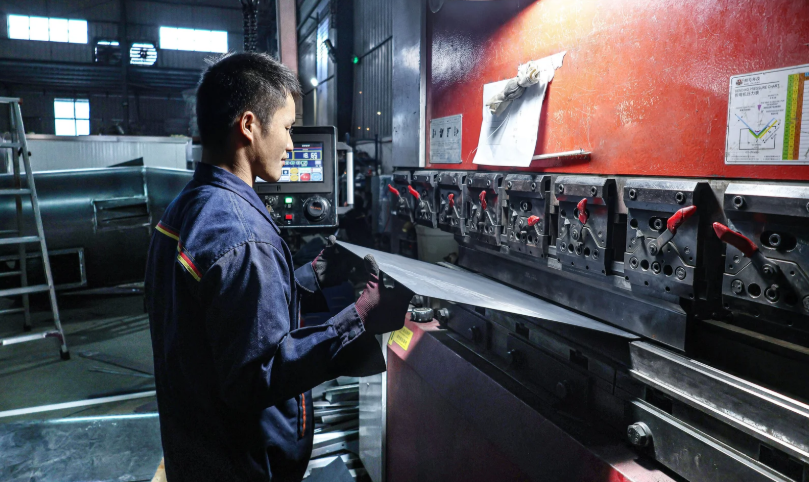
Need to run both steel and aluminium on one line? We can design a process window and chemistry combination for mixed production.
Discuss Your Substrate MixKey Design Features of Ketu Spray Pretreatment
We don’t just supply tanks and pumps. We engineer a complete system that is stable, clean and easy to maintain for many years of operation.
Tunnel & Tank Construction
Fully welded steel structure with chemical-resistant lining, insulated walls and large access doors for easy cleaning.
Spray Nozzle System
Nozzle layout optimised to your part geometry and conveyor speed, with quick-change nozzles and adjustable angles.
Pumps, Piping & Filtration
Industrial pumps with stainless steel or PP piping (depending on chemistry) and filtration to reduce sludge and extend bath life.
Ventilation & Mist Control
Exhaust and mist control to improve workshop environment and reduce carry-over between stages.
Control & Monitoring
Temperature and level control for each tank, with optional pH and conductivity monitoring and integration into your line PLC.
Example: nozzle and pump layout illustration for a 5-stage iron phosphate line.
Welded tank body with insulation and access doors.
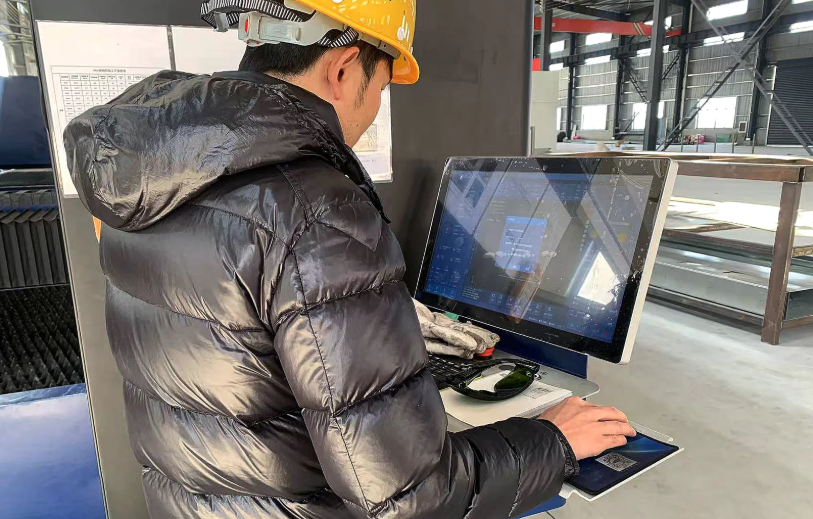
Control cabinet with temperature and level monitoring.
Energy, Water & Chemical Saving Options
Ketu designs spray pretreatment systems with long-term running cost in mind. We can integrate different options to reduce energy, water and chemical usage.
Heat recovery using exhaust air or hot water loops to pre-heat incoming baths.
Zoned heating and insulation to keep temperature stable with lower energy consumption.
Rinse cascade design so the last rinse overflows into previous stages to reduce fresh water usage.
Filtration & sludge management to extend bath life and reduce chemical waste.
Automatic dosing systems to keep concentration stable and avoid over-dosing chemicals.
Example: Water & Energy Flow Concept
Diagram only for explanation – actual design will be adjusted to your local water, gas and electricity costs.
Integrated with Your Powder Coating Line
Every Ketu spray pretreatment system is designed as part of the complete powder coating line, not as a standalone machine.
- • Conveyor type and speed (overhead, power & free, floor conveyor)
- • Workpiece size, hanging method and loading / unloading ergonomics
- • Distance to powder booth and curing oven
- • Factory columns, doors and existing equipment
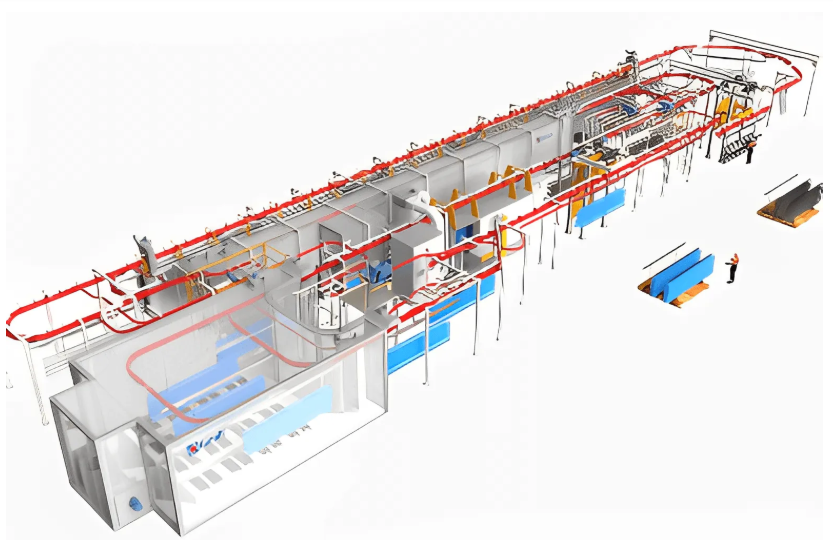
Typical layout: loading → spray pretreatment → dry-off oven → powder booth → curing oven → unloading. We adjust the layout to your building drawing.
Typical Technical Range
Final specifications will be customised according to your drawings and production plan. The range below gives a typical reference:
Workpiece Size
Up to ~2000–2500 mm height, 600–1000 mm width and 3000–6000 mm length (custom sizes available).
Line Speed
Typical 0.5–3.0 m/min continuous conveyor, set according to your stage time and production capacity.
Operating Temperature
Degreasing 40–60°C, phosphating / nano-ceramic 40–55°C, final rinse ambient or slightly heated.
Materials
Mild steel with lining, stainless steel for critical zones, PP or stainless piping depending on chemistry.
Ketu Spray Pretreatment Project Snapshots
A few examples of how we configure spray pretreatment systems for different industries. Once your line is running, we can also present your project as a case study.
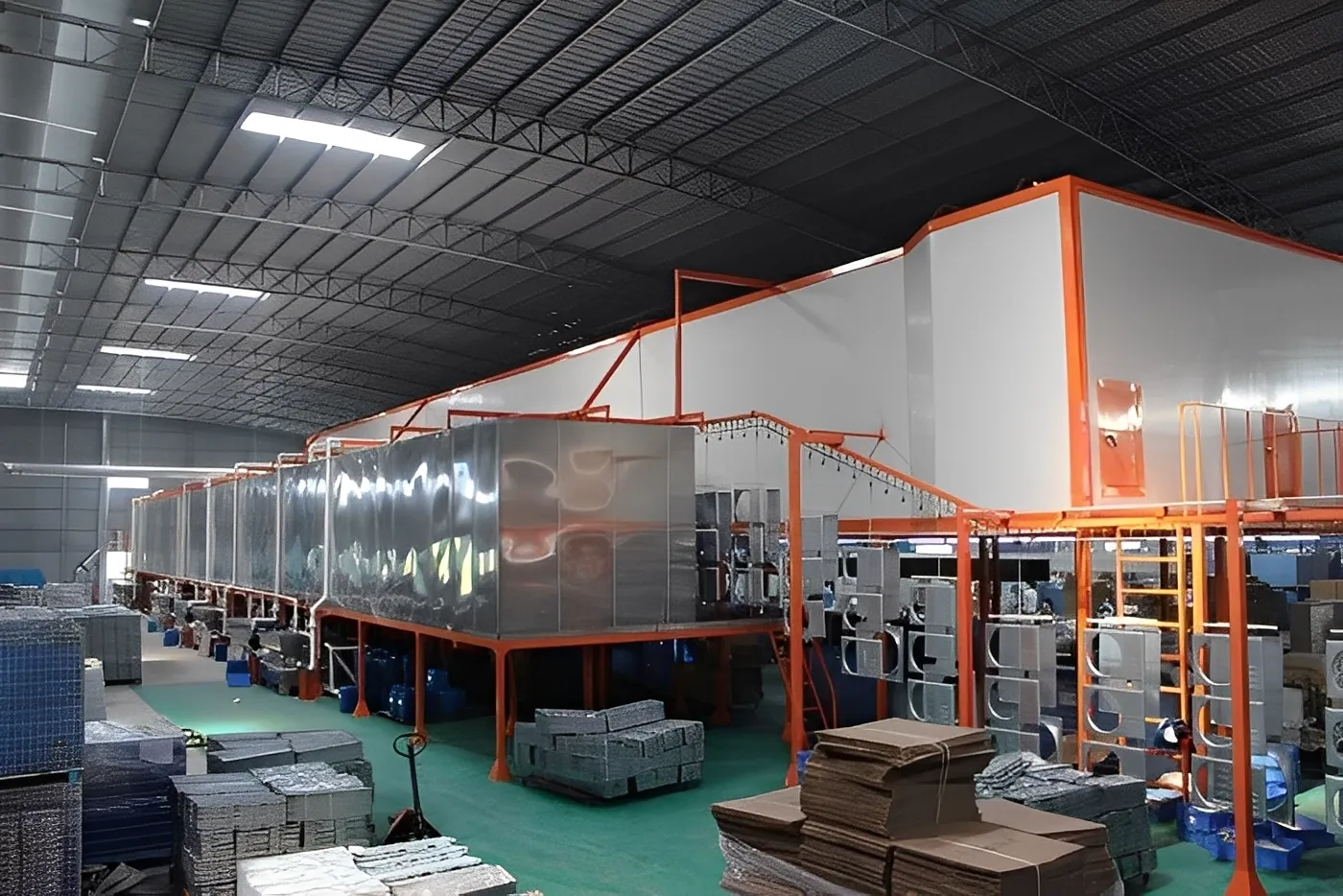
Furniture Factory – 5-Stage Iron Phosphate
Outdoor chairs and tables with 5-stage spray tunnel + dry-off oven + automatic powder line.
Result: improved adhesion, reduced powder defects, better corrosion performance for export.
Electrical Cabinet Manufacturer – 7-Stage Line
Degrease, derust, phosphating and DI rinse for outdoor switchgear enclosures.
Result: stable outdoor performance and improved salt spray test hours.
Aluminium Profile Producer – Nano-Ceramic Process
Multi-stage spray tunnel with nano-ceramic conversion coating for architectural profiles.
Result: thin eco-friendly coating layer with excellent paint adhesion.
Planning a new powder coating line or upgrading an old washer?
Send us your part drawings, production requirements and factory layout. Ketu will design a complete spray pretreatment concept for you.
FAQ – Spray Pretreatment for Powder Coating
Answers to common questions we receive from factories planning or upgrading their powder coating lines.
 English
  German
  Vietnamese
  French