Complete Powder Coating Equipment Systems: Components, Costs & Selection Guide for Manufacturers
A complete powder coating equipment[^1] system is not a single machine—it's an integrated system. From my experience working with metal furniture, cabinet, and aluminum extrusion manufacturers, I've seen that most buyers initially focus on the spray booth or curing oven in isolation. However, the real difference between a line that delivers consistent results and one that underperforms lies in how well the pretreatment system, spray application, powder recovery, curing oven, and conveyor work together. When these components are misaligned or inadequately matched, even the most advanced spray gun cannot guarantee uniform coating coverage, proper adhesion, or long-term durability. This guide walks you through the complete architecture of a powder coating line, cost structures, and practical evaluation frameworks so you can make a decision based on total system fit rather than single-unit specs.
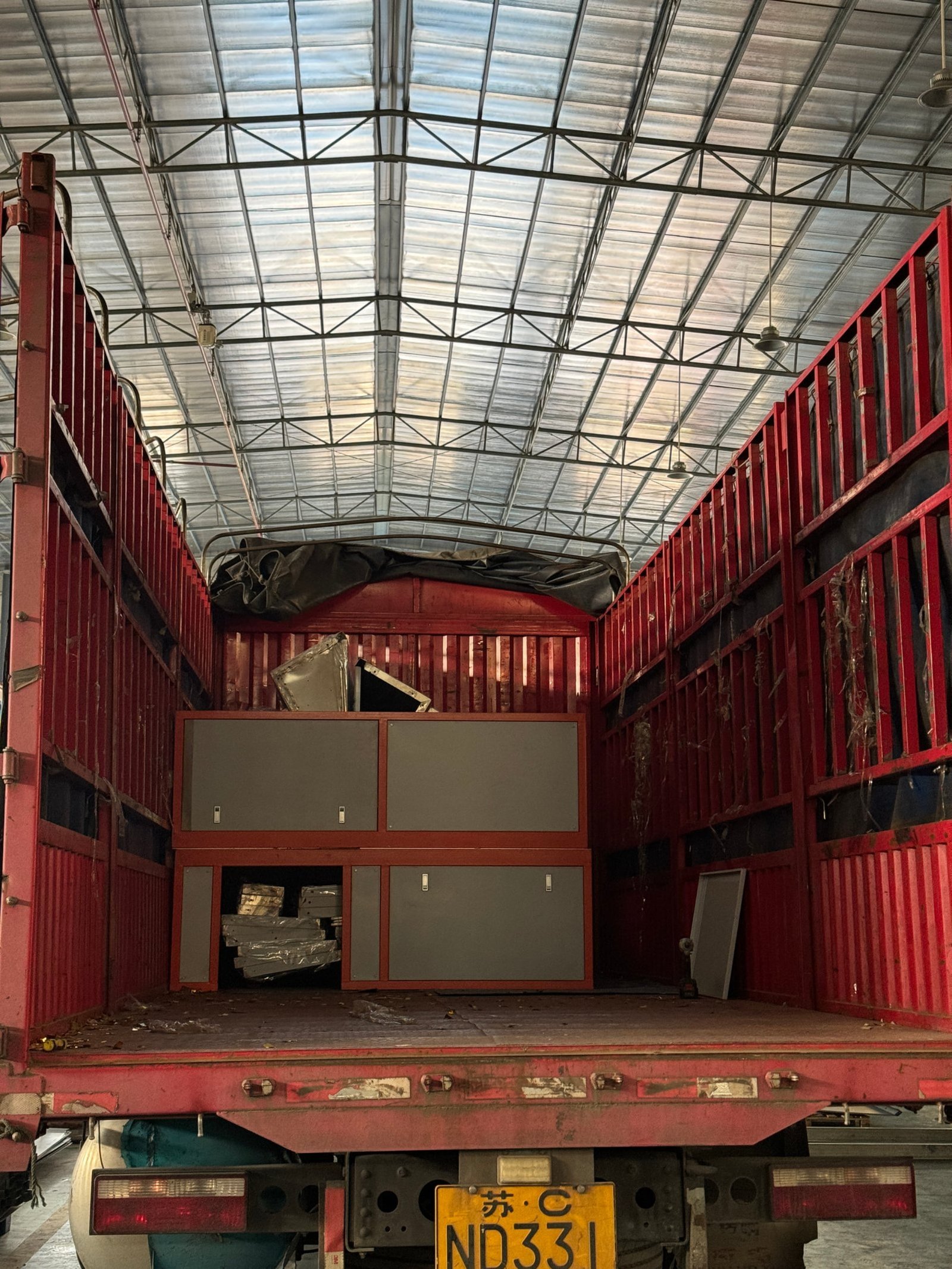
What Is a Complete Powder Coating Equipment System?
A complete powder coating system is an automated or semi-automated production line designed to apply dry powder coatings to metal workpieces through electrostatic technology[^2]. The system doesn't work in isolation—every stage feeds into the next. The workpiece moves through a sequence: surface preparation (degreasing and oxide removal), electrostatic spray application (where charged powder particles adhere to grounded metal), powder collection and recovery (to reduce waste and cost), thermal curing in a controlled-temperature oven, and finally cooling before shipment.
What separates a high-performing line from a mediocre one is not usually the individual component quality alone, but the degree of coordination between components. For example, a pretreatment system that leaves inconsistent surface chemistry will cause adhesion problems downstream—no matter how precise your spray booth is. Similarly, an undersized powder recovery system forces you to run the booth at reduced air velocity, which degrades spray pattern and coverage uniformity. This is why genuine suppliers design the entire line as an integrated whole, not as a collection of off-the-shelf parts bolted together.
The system typically consists of six major functional blocks: pretreatment (surface cleaning), spray application (electrostatic deposition), powder recovery (environmental and cost control), curing (thermal polymerization), cooling and conveyor (product movement and temperature management), and electrical control (process monitoring and adjustment). Understanding each block's role is essential for making a decision that will serve your factory's needs for 5–10 years.
Why This Buying Topic Matters
Powder coating equipment represents a substantial capital investment—typically 80,000 to 500,000+ USD depending on line complexity, production volume, and customization. But the real cost isn't just the purchase price. Operating expenses (electricity, powder, labor, maintenance) often exceed the equipment cost within 3–5 years. If your line is undersized or poorly matched to your actual product mix, you'll face chronic bottlenecks, quality inconsistency, higher scrap rates, and operator frustration. Conversely, oversizing the system wastes energy and floor space. The difference between a well-chosen line and a poor choice can be tens of thousands of dollars per year in wasted resources and lost productivity.
More importantly, your choice of powder coating system directly impacts product quality and market competitiveness. For cabinet and enclosure manufacturers, surface consistency and corrosion resistance[^3] are non-negotiable. For outdoor furniture brands, durability and aesthetic finish are selling points. For aluminum extrusion producers, coating uniformity and thickness control are critical specs. Selecting equipment that doesn't match your product's actual requirements leads to rework, customer complaints, and damage to your brand reputation.
How We Evaluated the Suppliers
Based on our review of how leading powder coating equipment suppliers position their solutions, and our direct experience helping manufacturers across metal cabinets, furniture, and aluminum profiles make purchasing decisions, we've developed this guide around practical procurement logic. Our evaluation focuses on: (1) system integration capability—whether the supplier designs the complete line as an interdependent whole; (2) customization depth—whether they adapt configurations to your specific product, volume, and facility constraints; (3) process understanding—whether they grasp industry-specific requirements like cabinet adhesion standards, outdoor furniture durability, or aluminum profile thickness tolerance; (4) whole-cost analysis—whether they help you understand long-term operating expenses, not just equipment price; and (5) after-sales execution—whether they can reliably install, calibrate, train, and support the system through the first critical months.
Table of Contents
Key Components of a Powder Coating Line and Their Functions {#component-1}
Understanding each functional block is the foundation for intelligent equipment selection. Let me break down what each stage does and why it matters.
Pretreatment System and Surface Preparation
This is the most underestimated stage in powder coating, and frankly, where many projects fail. The pretreatment system removes oils, oxides, and contaminants from the metal surface so the powder can adhere properly and resist corrosion long-term. A typical pretreatment line includes degreasers (alkaline or solvent-based), acid or alkaline cleaners, rinsing stages, and often a conversion coating application (iron phosphate, zinc phosphate, or zirconium-based).
The quality of pretreatment directly determines coating durability. If the surface is inadequately cleaned, you'll see poor adhesion, undercutting corrosion, and eventual coating failure within months. This is especially critical for cabinet and enclosure manufacturers serving industries like telecommunications, power distribution, and industrial control, where outdoor exposure and salt-spray resistance are mandatory. For aluminum extrusion suppliers, pretreatment is equally crucial because aluminum oxide naturally forms on the surface, and if not properly stripped and conditioned, the powder coating will sit on top of a non-adherent layer.
Many factories overlook pretreatment investment because it's "hidden" compared to the spray booth. However, upgrading pretreatment is often a higher-value investment than upgrading spray guns. A sophisticated pretreatment system might represent 15–25% of the total line cost, but it determines whether your powder coating lasts 5 years or 15 years.
Spray Booth and Application Equipment
The spray booth is where the electrostatic powder coating[^4] is actually applied to the workpiece. The system typically includes a booth enclosure (to contain overspray and improve air quality), electrostatic spray guns (usually 4–8 guns for small to medium lines), a high-voltage power supply (typically 60–100 kV), and a Faraday cage or product movement system to optimize spray coverage.
The sophistication of the spray system varies greatly. Entry-level systems use manual or fixed-position guns and rely on the operator to position the workpiece correctly. Mid-range systems use reciprocating arms or conveyor positioning to automate spray direction. High-end systems incorporate intelligent gun control, automatic pattern adjustment, and sometimes robotic spray heads for complex geometries.
For cabinet manufacturers producing standard rectangular enclosures, a well-designed 4–6 gun booth with conveyor-based positioning typically achieves uniform coverage and acceptable finish quality. For furniture manufacturers with irregular shapes, more guns and more sophisticated positioning are necessary. For aluminum extrusion, continuous or high-speed lines often require dual-booth setups or multi-stage gun banks to maintain coverage consistency at higher speeds.
One practical note: the spray booth environment matters. Humidity, air velocity, air purity (dust content), and temperature all affect powder deposition. A booth with marginal climate control will show finish variation even if the guns are top-notch. This is why full-line integration includes consideration of facility climate systems, not just the spray hardware itself.
Powder Recovery and Recycling System
Powder that doesn't land on the workpiece is collected by the recovery system. This powder is either recycled back into the hopper (reuse) or disposed of. The recovery system typically includes a powder collection hood, a cartridge filter or cyclone separator, and a pneumatic conveying line that transports excess powder back to a buffer hopper or powder silo.
Powder recovery is critical for two reasons: cost and environmental compliance. Unrecovered powder represents wasted material—typically 10–30% of consumption, depending on booth efficiency and gun tuning. Recycling that powder can reduce powder cost by 15–25%. In regions with strict environmental regulations (EU, North America, parts of Asia), uncontrolled powder discharge is fined or prohibited, so effective recovery is mandatory, not optional.
The efficiency of powder recovery depends on booth design, air flow management, filter quality, and conveying system design. A poorly designed recovery system loses fine powder particles in the exhaust, reducing both cost savings and environmental performance. This is another "hidden" system that buyers often underestimate. A high-performance recovery system might add 5–10% to equipment cost but can save 20%+ on powder consumption within the first year of operation.
Curing Oven and Cooling Conveyor
The curing oven is where the thermosetting powder is heated and polymerized into a hard, durable coating. The oven must reach a specific temperature (typically 180–220°C for most industrial powders) and hold that temperature for a specific duration (usually 10–30 minutes, depending on powder chemistry and part thickness) to achieve full cure.
Ovens are heated by electricity (resistance heaters), gas (natural gas or LPG), or sometimes combination systems. Gas-heated ovens are usually more cost-effective for high throughput, while electric ovens offer better temperature precision and easier installation in facilities without gas infrastructure. The choice depends on your energy costs, production volume, and facility setup. An undersized or inefficiently heated oven becomes a production bottleneck, while an oversized oven wastes energy.
Temperature uniformity inside the oven is critical. If one corner is cooler than others, parts in that zone will be under-cured and prone to coating failure. This is why oven design—including internal circulation fans, insulation quality, heating element placement, and humidity management—directly affects coating quality and consistency.
After the oven, parts need cooling. A cooling conveyor or cooling chamber prevents thermal shock and allows parts to reach handling temperature before packing. Without proper cooling, hot parts can be damaged by operators, and humidity-sensitive powders can develop surface defects. Many small operations skimp on cooling, but it's a necessary final stage of the system.
Control and Monitoring System
Modern powder coating lines include an electrical control system that monitors oven temperature, conveyor speed, booth pressure, and other critical parameters. Simple systems use basic analog controls and thermostats. Advanced systems use PLC (programmable logic controller)[^5] or SCADA (supervisory control and data acquisition) interfaces, allowing real-time monitoring, recipe storage, alarm logging, and data export for quality tracking.
For small operations (low volume, simple products), basic controls are acceptable. However, for manufacturers targeting consistency and traceability—especially those serving regulated industries or exporting to demanding markets—a digital control system is worth the investment. It enables you to document coating parameters, troubleshoot problems systematically, and prove compliance to customers.
How Equipment Configuration Varies by Product Type {#component-2}
There is no one-size-fits-all powder coating system. The optimal configuration depends on what you're coating. Let me walk through three common scenarios from our customer base.
Cabinet and Metal Enclosure Coating Requirements
Cabinet manufacturers—producing electrical enclosures, server racks, control panels, and similar products—prioritize surface consistency, adhesion strength, and corrosion resistance. Workpieces are typically rectangular, moderately sized (0.3m to 2m), and produced in batches or steady runs.
For this application, the ideal line includes: a robust pretreatment system (at least 6–8 stages with zinc phosphate or equivalent conversion coat), a 4–6 gun spray booth with conveyor-based positioning to ensure all surfaces (front, back, sides, top) receive uniform coverage, a well-tuned powder recovery system (because cabinet surfaces must be defect-free), a gas or electric curing oven sized to handle the batch thermal load, and basic digital monitoring (temperature, timer, alarms).
Typical throughput for cabinets is 15–40 units per hour, depending on size. The line usually requires 2–3 operators (one for pretreatment loading, one for unloading/finishing, one for booth oversight if semi-automatic). Investment range is typically 120,000–250,000 USD.
One critical consideration: cabinet corners and edges tend to attract more powder (Faraday effect), leading to thicker buildup and risk of bridging (where powder forms a bridge across sharp edges). Good spray booth geometry and gun positioning help manage this. Some advanced lines use Faraday cage tuning or shielding techniques to distribute powder more evenly.
Outdoor Furniture and Weather-Resistant Finishes
Outdoor furniture manufacturers—producing chairs, tables, sun loungers, and frames—prioritize aesthetic finish quality, durability in outdoor environments, and color consistency. Workpieces vary widely in geometry (tubes, flat stock, welded assemblies), size (small to large), and material (steel, aluminum, sometimes composite).
For furniture, the line configuration must include: versatile pretreatment capable of handling both steel and aluminum; a multi-gun spray booth with flexible positioning (often reciprocating or rotary systems) to cover irregular shapes; high-efficiency powder recovery to minimize over-spray and cost; an oven with precise temperature control (to achieve the smooth, fine finish that furniture customers expect); and often a cooling stage with smooth handling to prevent dings or marks on the finished surface.
Furniture lines tend to be slower than cabinet lines (10–30 units per hour) because geometry is more complex and finish quality expectations are higher. The line must also accommodate color changeovers efficiently—when switching colors, the booth and recovery system must be thoroughly purged to avoid contamination. This requires flexible booth design and good powder handling practices.
For outdoor furniture, powder selection is also critical. UV-stable, salt-spray resistant powders[^6] cost more but are necessary if products will be used in coastal or exposed environments. The powder choice directly affects the coating system—some specialty powders require slightly higher cure temperatures or longer dwell times, which influences oven design.
Investment for furniture lines typically ranges from 150,000–320,000 USD, depending on complexity and level of automation. Many outdoor furniture manufacturers also value having a second booth for specialty colors, which adds flexibility but increases footprint and energy cost.
Aluminum Extrusion and Precision Coating Specifications
Aluminum extrusion producers coating continuous profiles (window frames, door systems, structural extrusions) have very different requirements. Workpieces are long, continuous or semi-continuous, relatively thin-walled, and often produced at high throughput. The challenge is maintaining coating thickness uniformity across the entire profile length and width while running at high speed.
For aluminum extrusions, the ideal line includes: a specialized pretreatment system designed for aluminum (often including a pre-rinse, alkaline clean, acid etch, and zirconium or chromium-free conversion coat), a continuous or high-speed spray system with multiple guns positioned above and below the product for complete coverage, a highly efficient powder recovery system (because throughput is high and powder consumption is significant), a large, thermally stable curing oven with good internal air circulation (to achieve uniform cure across the profile), and precise speed control to maintain consistent conveyor movement.
Typical throughput is 50–150 linear meters per hour, depending on profile width and oven capacity. The line requires fewer operators (often just 1–2 for loading/unloading) because it's largely automated. However, it demands more sophisticated control—speed synchronization, oven load management, and thickness monitoring are essential.
For aluminum extrusions, coating thickness tolerance is critical. Many specifications require ±20 microns or tighter, which demands consistent spray pressure, gun positioning, and oven temperature. This is why spray booth design and oven uniformity are especially important for extrusion lines. Some high-end systems include thickness measurement equipment (wet-film gauges or X-ray fluorescence) integrated into the line for real-time quality feedback.
Investment for aluminum extrusion lines is typically 200,000–450,000 USD, sometimes higher if continuous operation and advanced monitoring are required. Energy cost is also significant because extrusion lines run long hours.
Cost Structure of a Powder Coating Line: What You Need to Budget For {#cost-structure}
Many manufacturers focus narrowly on the equipment purchase price, but the true cost of owning and operating a powder coating line is much broader. Let me break down the complete cost structure so you can make an informed financial decision.
Equipment and Installation Costs
This is the most visible cost. Equipment prices vary widely depending on line size, configuration, and automation level:
- Small/entry-level lines: 80,000–150,000 USD. Typically 3–4 guns, basic pretreatment (4–5 stages), electric curing oven, manual or semi-automatic positioning. Suitable for batch production of 10–20 units per hour.
- Mid-range lines: 150,000–300,000 USD. 5–8 guns, comprehensive pretreatment (7–8 stages), gas or electric oven, conveyor-based positioning, basic PLC control. Suitable for production of 20–50 units per hour.
- High-end/custom lines: 300,000–600,000+ USD. Multi-booth systems, advanced pretreatment with recirculation or ultrasonic cleaning, large high-capacity ovens, robotic spray systems, integrated thickness monitoring, advanced digital control. For high-volume or specialized applications.
Installation costs—shipping, foundation preparation, electrical and gas connections, calibration—typically add 10–20% to equipment price. For overseas shipments, logistics, customs, and on-site assembly can add even more. Budget conservatively: if equipment costs 200,000 USD, plan for 220,000–240,000 USD total installed.
Training and initial calibration are often included in equipment packages but sometimes billed separately. Plan for 1–2 weeks of on-site technician support to achieve stable production (typically 5,000–15,000 USD additional).
Operating Costs (Energy, Powder Consumption, Labor)
This is where most buyers underestimate total cost of ownership. Operating expenses accumulate rapidly and often exceed equipment cost within 3–5 years.
Energy Cost: Powder coating lines consume significant electricity (for spray system, fans, conveyors, controls) and/or gas (for curing ovens). A typical mid-size line running 8 hours per day consumes 50–150 kWh of electricity and 20–80 cubic meters of gas per day, depending on oven size and design.
- Electricity: At average industrial rates (0.10–0.15 USD/kWh in most regions), expect 4,000–18,000 USD per year.
- Gas: At typical rates (0.003–0.008 USD per cubic meter), expect 2,000–10,000 USD per year.
A gas-heated oven is usually 30–50% more energy-efficient than electric for high-throughput applications, but requires gas infrastructure. Electric ovens are simpler to install but consume more energy over time. For a 250,000 USD line running continuous shifts, energy costs could reach 15,000–25,000 USD annually. Over 10 years, that's 150,000–250,000 USD—comparable to the equipment purchase price itself.
Powder Consumption: Powder consumption depends on surface area coated and booth efficiency. Typical consumption is 1–3 kg of powder per coated square meter. For a line producing 30 cabinets per hour (average 2m² each), expect 60–180 kg/day or 15,000–45,000 kg per year.
Powder cost ranges from 3–8 USD/kg depending on quality and color. Budget 45,000–360,000 USD per year for powder. With good powder recovery (70–80% reuse), the effective cost drops by that percentage. This is why powder recovery efficiency is such a high-impact investment.
Labor: A typical powder coating line requires 2–4 operators depending on automation level. In developed economies, labor cost is 30,000–60,000 USD per operator per year (including benefits). For a line with 3 operators on rotating shifts, expect 90,000–180,000 USD annually.
Combined Operating Cost: For a mid-size line, annual operating expenses (energy + powder + labor) typically range from 100,000–300,000 USD. Over 10 years, that's 1,000,000–3,000,000 USD, which dwarfs the initial equipment investment.
Hidden Costs: Maintenance, Downtime, and Powder Waste
Beyond obvious operating costs, several less visible expenses accumulate:
Maintenance and Repairs: Spray guns wear out and require replacement (500–1,500 USD each, typically every 12–18 months). Oven heating elements degrade and must be replaced. Conveyor belts, motors, and fans require periodic maintenance. Budget 5–10% of equipment cost annually for maintenance (10,000–30,000 USD for a mid-range line).
Downtime and Lost Production: When the line breaks down, production stops and revenue loss compounds. For a line generating 100,000 USD per month in revenue, even a 1-week unplanned shutdown costs 25,000+ USD in lost sales. Reliable equipment design and responsive supplier support can prevent catastrophic downtime, making supplier choice a genuine financial decision.
Powder Waste and Scrap: Even with good technique, some powder is lost to booth cleanup, color changes, testing runs, and poor adhesion (scrap). Waste is typically 5–15% of consumption. A line consuming 30,000 kg/year might waste 1,500–4,500 kg—another 4,500–36,000 USD annual loss. Better pretreatment, booth tuning, and operator training reduce this significantly.
Environmental Compliance: Some regions require specific powder disposal, air filtration upgrades, or effluent treatment. Budget 2,000–10,000 USD annually for compliance, depending on local regulations.
Total Cost of Ownership: For a 250,000 USD line over 10 years, realistic total cost of ownership is typically 1,500,000–2,500,000 USD. This means the equipment purchase is only 10–17% of true cost. The implication: investing slightly more upfront in a more efficient, reliable, better-matched system usually pays for itself within 2–3 years through reduced operating costs and downtime.
Key Factors to Evaluate When Choosing Powder Coating Equipment {#evaluation-factors}
With cost structure in mind, here are the practical factors you should evaluate when comparing suppliers and line configurations.
Production Volume and Line Speed Requirements
First, clearly define your production target. Don't estimate vaguely—quantify it precisely. How many pieces per hour? What's the peak volume you need to handle? Will volume grow significantly in the next 3–5 years?
Undersizing the line is a common mistake. A line that can produce 25 units per hour when you need 40 becomes a chronic bottleneck, forcing overtime, second shifts, or even outsourcing. A slightly oversized line is far less costly than perpetual shortage.
Conversely, oversizing wastes capital and energy. A line sized for 100 units per hour when you only need 30 is inefficient. Work with suppliers to right-size the system based on realistic, documented volume targets.
Surface Quality and Coating Consistency Standards
Define what "good coating" means for your products. Specify:
- Color uniformity tolerance (e.g., ±5 Delta-E units in CIELAB color space[^7], or visual matching under standard light).
- Gloss level (matte, satin, gloss, or high-gloss).
- Surface defect tolerances (orange peel, sag, runs, under-cure, over-cure).
- Adhesion standard (e.g., ASTM B733 or ISO 2409 cross-hatch adhesion test).
- Corrosion resistance requirement (e.g., ASTM B117 salt spray, 500 hours or 1,000 hours).
Different applications have different thresholds. A cabinet going into a telecom shelter might require ASTM B733 class SA (excellent) adhesion, while outdoor furniture might be acceptable at class C or B. These standards directly influence line design—pretreatment depth, cure temperature, dwell time, and booth tuning must all support your specified quality level.
Ask suppliers to demonstrate that their system can consistently meet your defined standards. Don't accept vague promises. Request samples from their reference customers with your exact product type (or as close as possible).
Space Constraints and Integration with Existing Lines
Physically, where will the line fit? Measure your available footprint in length, width, and height. Account for:
- Pretreatment system (typically 8–15m long, depending on stages).
- Spray booth (typically 3–5m long).
- Curing oven (typically 4–8m long, depending on target dwell time and conveyor speed).
- Cooling section (typically 2–3m).
- Material handling space (loading/unloading areas, staging, finished goods).
Total floor space for a small to mid-size line is often 25–40m long and 4–6m wide. If your facility is tight, you may need a more compact configuration (shorter pretreatment, higher oven temperature to reduce dwell time, vertical stacking in some cases). Compact designs usually cost more and may reduce efficiency, so plan accordingly.
Also consider integration with existing equipment. If you have an existing painting or coating operation, can the new line be positioned to share utilities (electrical, gas, exhaust)? Can finished goods flow smoothly to shipping? These logistical considerations don't affect equipment performance directly but have major impacts on installation cost, worker safety, and operational flow.
Energy Efficiency and Long-term Operating Costs
Compare energy consumption specifications carefully. Request specifications for:
- Oven energy consumption (kWh for electric, m³ gas for gas-heated) per kilogram of powder applied.
- Booth air handling efficiency (CFM required for consistent spray quality).
- Conveyor motor power rating.
A more efficient oven design (better insulation, optimized airflow, variable-speed fans) might add 10,000–20,000 USD to initial cost but save 3,000–8,000 USD per year in energy. Over 10 years, that's a net gain of 10,000–60,000 USD.
Similarly, powder recovery efficiency is a major driver of long-term cost. A recovery system that reuses 80% of overspray powder is far superior to one that reuses 60%, even if it costs more initially. Ask suppliers for powder recovery efficiency specifications and verify them with reference customers.
How to Select the Right Equipment: A Step-by-Step Evaluation Framework {#selection-framework}
Here's a practical process to evaluate suppliers and configurations systematically.
Step 1: Define Your Requirements Document
Before contacting any supplier, document your own requirements in writing:
- Product specifications: material (steel, aluminum, other), typical size/weight, geometry (simple vs. complex).
- Quality targets: coating color, gloss, adhesion standard, corrosion resistance requirement.
- Production volume: pieces per hour, total annual volume, expected growth in 3–5 years.
- Facility constraints: available floor space, ceiling height, utilities (electrical phase/voltage, gas availability), existing infrastructure.
- Budget: equipment cost range, total capex limit.
- Timeline: when do you need production to start?
This document becomes your evaluation scorecard. It forces clarity and prevents suppliers from talking you into configurations that don't fit.
Step 2: Identify 3–5 Potential Suppliers
Research suppliers with proven experience in your industry segment. Look for:
- Published reference customers in your product category (cabinets, furniture, extrusions, etc.).
- ISO certifications[^8] (ISO 9001 quality, ISO 14001 environmental) indicating professional standardization.
- Presence in your geographic region or willingness to support international installations.
- Evidence of custom design capability, not just standard catalog machines.
Request brochures, technical specs, and ask for 2–3 reference customers you can contact directly. A supplier unwilling to provide references is a red flag.
Step 3: Technical Proposal Comparison
Ask each supplier for a detailed technical proposal addressing your requirements document. Proposals should include:
- System layout drawing showing line footprint, height, equipment arrangement.
- Process flow diagram: material movement, timing, process sequence.
- Specifications for each major component: spray booth (gun count, positioning method), oven (heating method, capacity, temperature range, insulation), conveyor (speed range, load capacity), pretreatment (number of stages, chemistry), control system (PLC type, monitoring capability).
- Performance guarantees: throughput (units/hour), coating uniformity (color tolerance, gloss consistency), energy consumption (kWh/day or gas/day estimated).
- Price breakdown: equipment, installation, training, 12-month parts warranty.
- Timeline: fabrication (weeks), shipping (days), installation (days), commissioning (days).
Compare proposals side by side. Don't just focus on price. A 20% cheaper system that doesn't meet your quality or throughput targets is not a bargain.
Step 4: Reference Customer Calls
Contact at least 2 reference customers for each finalist supplier. Ask about:
- Does the line perform as specified? Meet your production targets and quality standards?
- What was your experience with installation and commissioning? Any unexpected issues?
- How responsive is the supplier to service requests and spare parts?
- What maintenance have you had to perform? Any major repairs?
- If you could do it over, would you choose the same supplier and system?
- What advice would you give to a new buyer considering this supplier?
These conversations are invaluable. They reveal real-world performance often not captured in spec sheets.
Step 5: Factory Visit
If feasible and the supplier invites you, visit their factory or a reference customer's operating line. Observe:
- Spray booth operation: is coating coverage uniform? Any bridging or bare spots?
- Pretreatment quality: does parts coming out look properly cleaned?
- Operator interaction: do workers seem comfortable operating the system? Is it intuitive?
- Line reliability: are there obvious maintenance issues, loose connections, signs of poor build quality?
- Overall impression: does this feel like a professionally engineered system or a hastily assembled collection of parts?
A factory visit often reveals more than written specifications. You'll see how the supplier actually builds equipment and whether they sweat the details.
Step 6: Negotiate Terms and Conditions
Once you've selected a supplier, negotiate:
- Fixed price with clear scope of work (what's included, what's extra).
- Payment terms (typically 30% deposit, 50% at shipment, 20% upon successful commissioning).
- Warranty period (typically 12 months parts, 24 months labor for critical components).
- Spare parts availability and pricing (critical for long-term support).
- Training commitment: how many days of on-site support? What's included (operator training, maintenance training, troubleshooting)?
- Performance guarantees: what happens if the line doesn't meet specifications? Remedies (equipment adjustment, replacement, credit)?
A professional supplier should be comfortable discussing these terms clearly. Vague or evasive responses are concerning.
Step 7: Post-Purchase Support Plan
Before signing, agree on a support plan for the first 6–12 months of operation:
- Commissioning: how many days on-site? What will be calibrated and tested?
- Initial production runs: will the supplier help dial in the system for your specific products?
- Troubleshooting: how quickly will the supplier respond to questions or problems? Phone support? Remote video? On-site visit?
- Spare parts: what spares will be provided? What's the lead time for additional parts?
- Operator training: how many staff members can be trained? What's covered (basic operation, cleaning, troubleshooting)?
The quality of after-sales support often matters more than the equipment itself because even well-designed systems need proper tuning and operator familiarity to perform optimally.
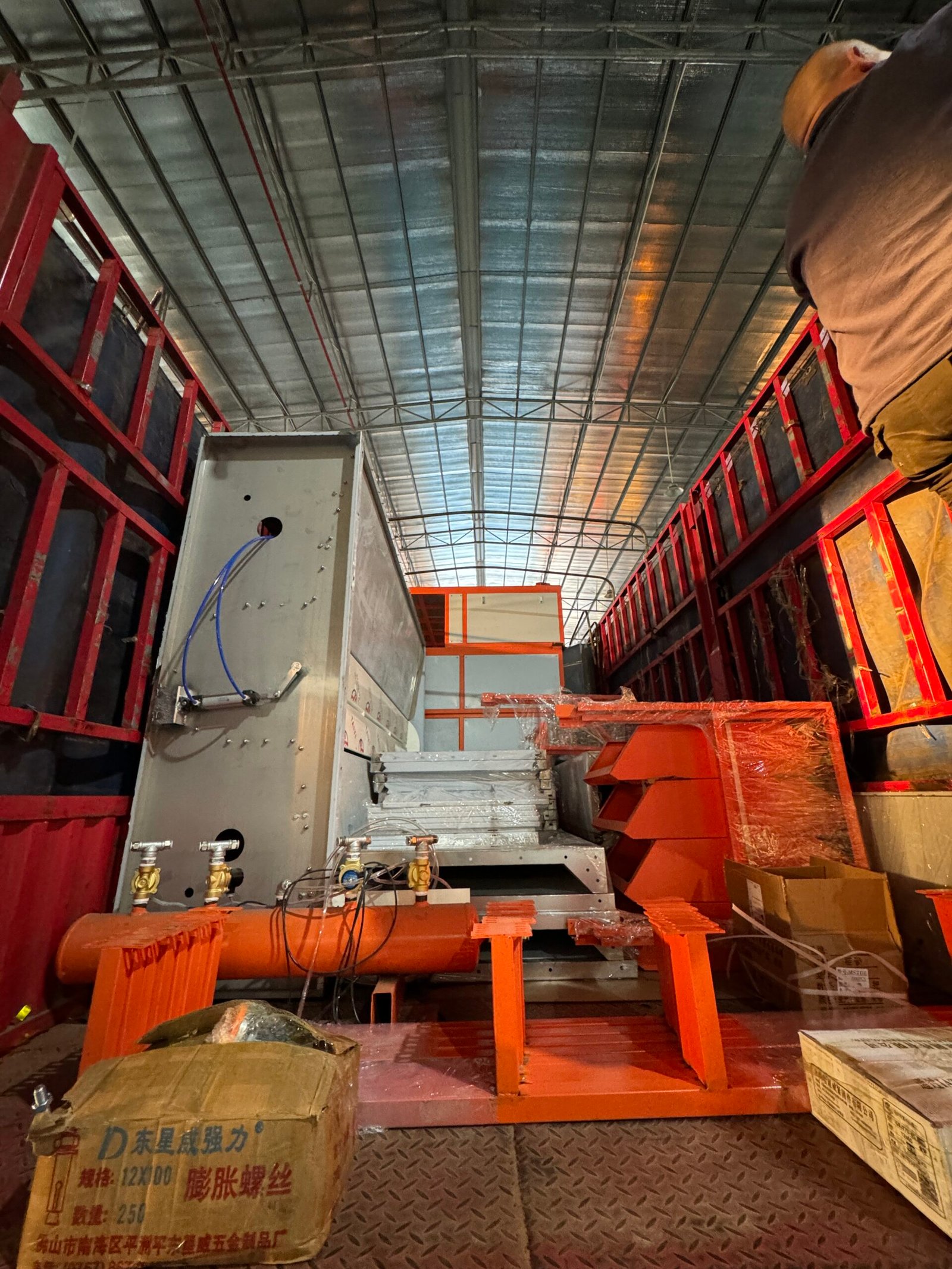
Implementation Timeline: From Initial Consultation to Production and Ongoing Support {#implementation-timeline}
Understanding the timeline is crucial for planning. Here's a realistic schedule for a typical mid-size powder coating line purchase and deployment.
Months 1–2: Needs Assessment and Supplier Selection
You'll spend 4–8 weeks defining requirements, contacting suppliers, receiving proposals, and making your supplier choice. This phase is critical—rushing it leads to poor decisions. Allocate time for proper evaluation.
Months 2–3: Contract and Design Finalization
Once a supplier is selected, you'll sign a contract, pay a deposit (typically 30%), and the supplier's engineering team will finalize system design. This includes:
- Detailed 3D CAD drawings of the complete line.
- Final component selection (spray guns, oven elements, motors, controls).
- Electrical and gas service requirements confirmed.
- Installation plan developed with your facility team.
This phase typically takes 2–4 weeks. Some design decisions might require your input (e.g., oven heating preference, control system interface design), so stay engaged.
Months 3–6: Equipment Fabrication and Procurement
The supplier manufactures the system. Duration depends on complexity and supplier backlog but typically 6–10 weeks for a mid-range line. During this phase:
- Components are built and tested individually.
- Final assembly and factory acceptance testing (FAT) occur at the supplier's facility.
- You (or your representative) may witness FAT to confirm the system meets specifications.
- Shipping is arranged, and logistics are coordinated.
Some suppliers offer virtual FAT (video documentation) if travel isn't feasible, though on-site FAT is preferable for quality assurance.
Months 6–7: Shipping and Installation Preparation
The line is shipped to your facility. International shipping typically takes 3–4 weeks by sea. Upon arrival:
- Your facility team prepares the installation site: foundations, utilities, safety clearances.
- Electrical and gas connections are made by licensed contractors (your responsibility in most cases).
- The supplier's installation team arrives to assemble and position equipment.
Installation typically takes 1–2 weeks on-site, depending on line complexity and facility readiness.
Months 7–8: Commissioning and Operator Training
Once installed, the supplier's technician commissions (starts up and calibrates) the system:
- Electrical and mechanical checks are performed.
- Safety interlocks and emergency stops are tested.
- Pretreatment chemistry is balanced.
- Spray booth is calibrated (gun positioning, air pressure, voltage).
- Oven temperature profile is mapped and tuned.
- Conveyor speed and timing are synchronized.
- Operators are trained on daily operation, maintenance, troubleshooting, and safety.
Commissioning typically takes 2–3 weeks. This is intensive work, and the quality of commissioning significantly impacts long-term performance.
Months 8–9: Initial Production Runs and Tuning
You begin running your actual products through the line. The supplier's technician (or a remote support team) monitors early production:
- Product samples are inspected for coating quality (color, gloss, adhesion, defects).
- Process parameters (spray pressure, booth temperature/humidity, oven temperature, dwell time) are fine-tuned based on sample feedback.
- Operator procedures are refined.
- Powder recipes and spray gun patterns are optimized for your specific product geometry.
[^1]: The process of applying a dry powder coating to metal parts using electrostatic deposition, thermosetting, and curing in an oven.
[^2]: The science of electric charge behavior and attraction, fundamental to how charged powder particles adhere to grounded metal in spray booths.
[^3]: Chemical or electrochemical process causing metal deterioration; preventing it is critical for long-term coating durability and product lifespan.
[^4]: Application method where charged particles are sprayed electrostatically onto grounded objects, achieving even coverage without liquids or solvents.
[^5]: Industrial computer control system that monitors inputs and operates outputs for automated manufacturing processes in powder coating equipment.
[^6]: Coatings engineered to resist fading and deterioration from ultraviolet light exposure, essential for outdoor furniture and weather-resistant applications.
[^7]: International standard color space model defining colors by lightness, red-green, and yellow-blue dimensions for precise color specification.
[^8]: International voluntary standards organization establishing specifications for quality management, environmental responsibility, and industrial processes.
 English
  German
  Vietnamese
  French