Curing Ovens for Stable Powder Coating Quality
Engineered curing ovens for powder coating lines that need consistent film thickness, reliable cross-linking and energy-efficient operation – matched to your parts, powders and line speed.
- Uniform temperature and airflow for stable curing results
- Gas, diesel or electric heating options
- Batch, tunnel and conveyor oven configurations
- Fully integrated into your complete coating line
Designed Temperature Uniformity
According to your powder supplier’s curing window
What Is a Powder Coating Curing Oven?
After powder is applied in the booth, the coated parts must be heated to the correct temperature for a specific time. The curing oven melts, flows and cross-links the powder into a durable finish with the required colour, gloss and adhesion.
Ketu designs curing ovens around your parts and powder specification to ensure the metal temperature curve stays inside the recommended curing window – not just air temperature.
Typical Curing Temperature
160–220°C depending on powder chemistry and film thickness.
Dwell Time
Calculated based on metal thickness, line speed and oven length.
Metal Temperature vs. Oven Air Temperature
We design each oven so your parts reach and maintain the correct metal temperature according to powder supplier data sheets – not just air temperature setpoint.
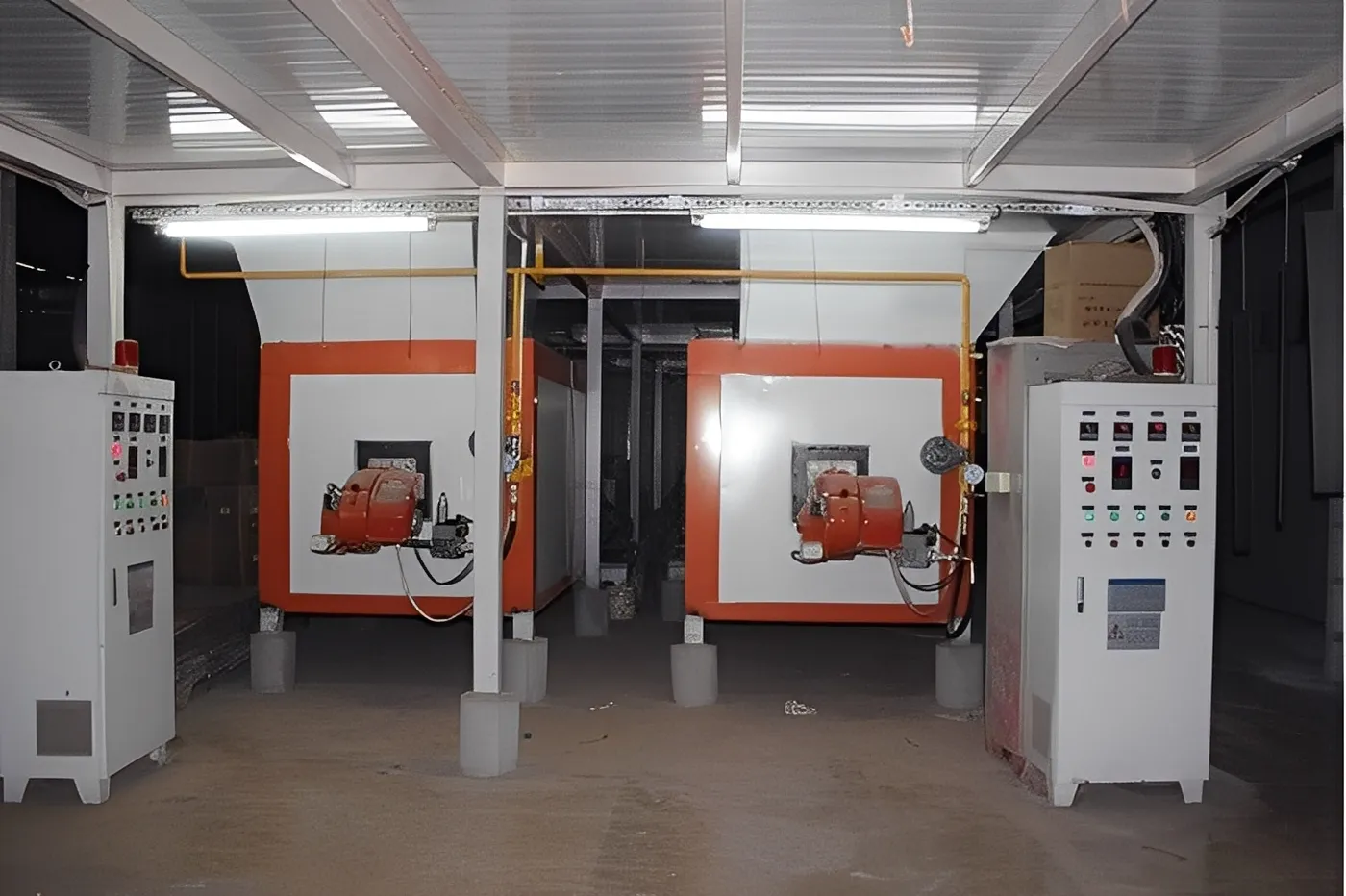
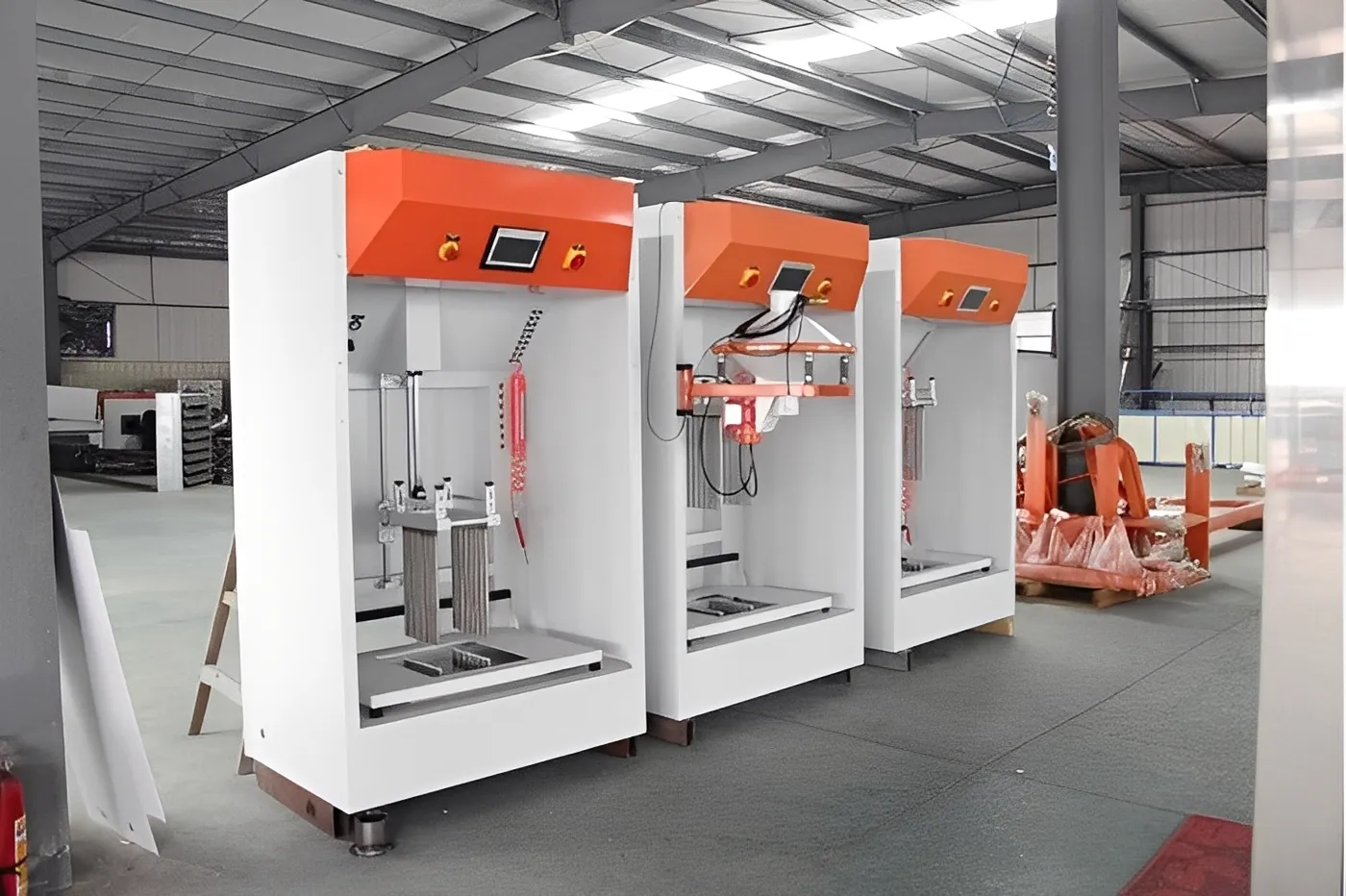
Curing Oven Types from Ketu
From flexible batch ovens to high-throughput tunnel ovens, we configure the heating system to match your part size, production volume and layout.
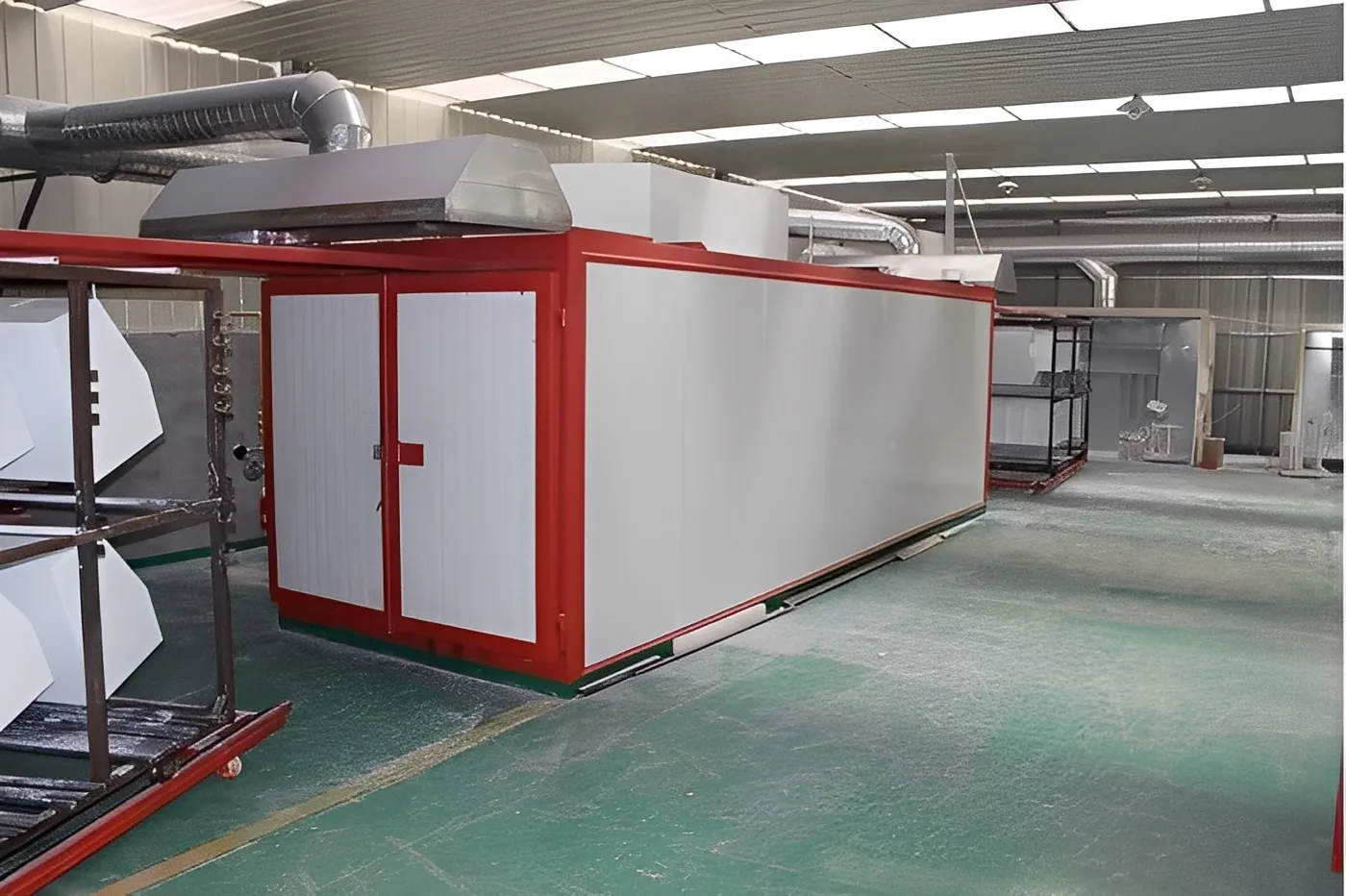
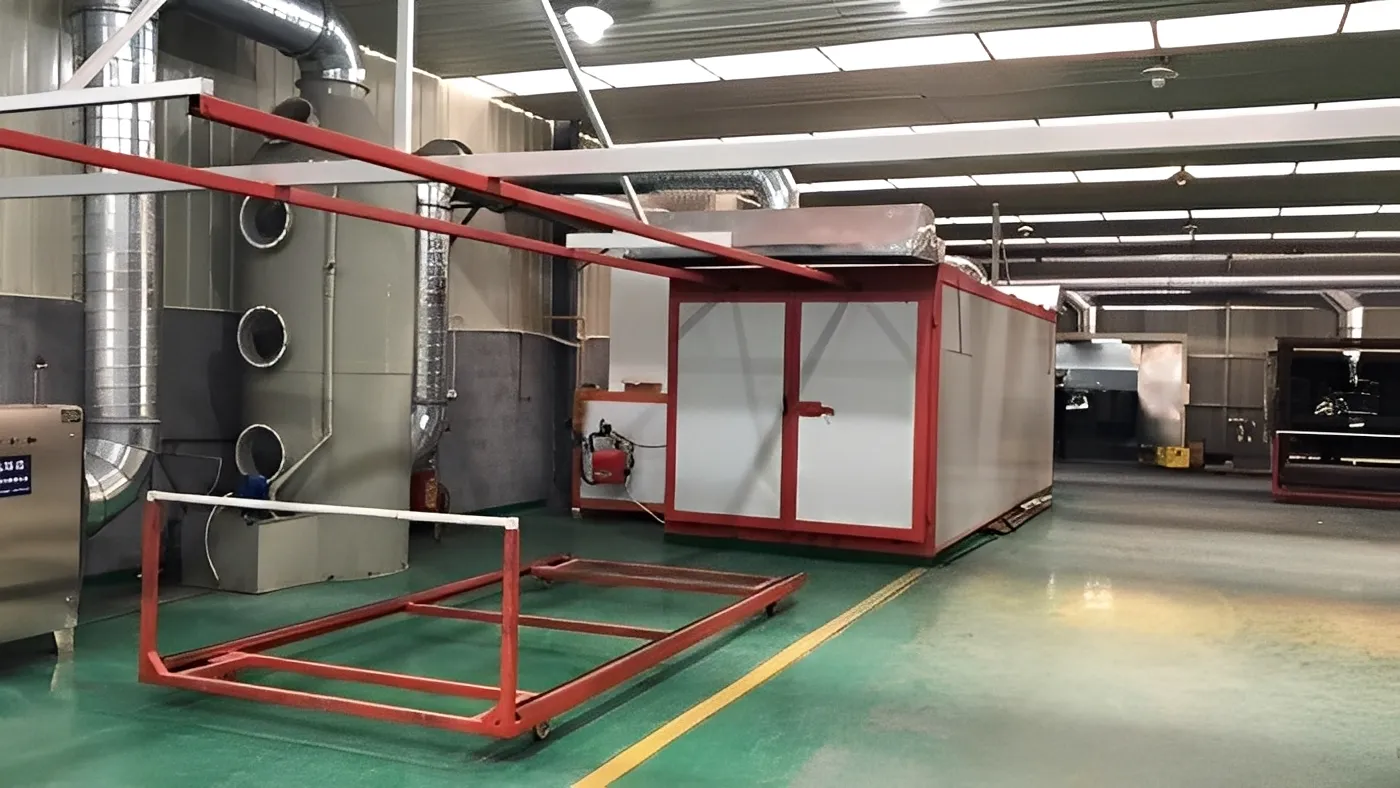
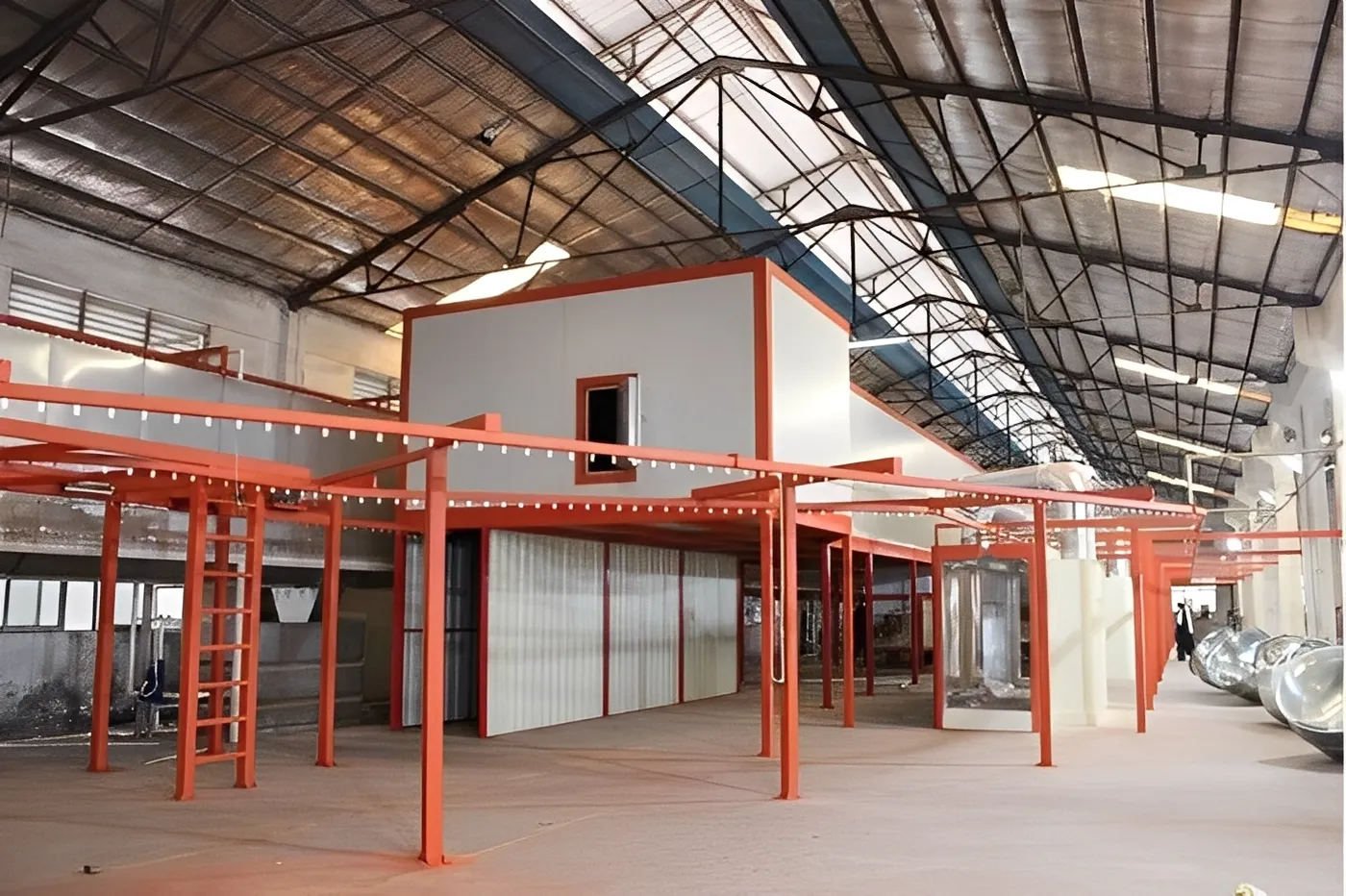
Images below are for reference. Final design and dimensions will be customised for your factory.
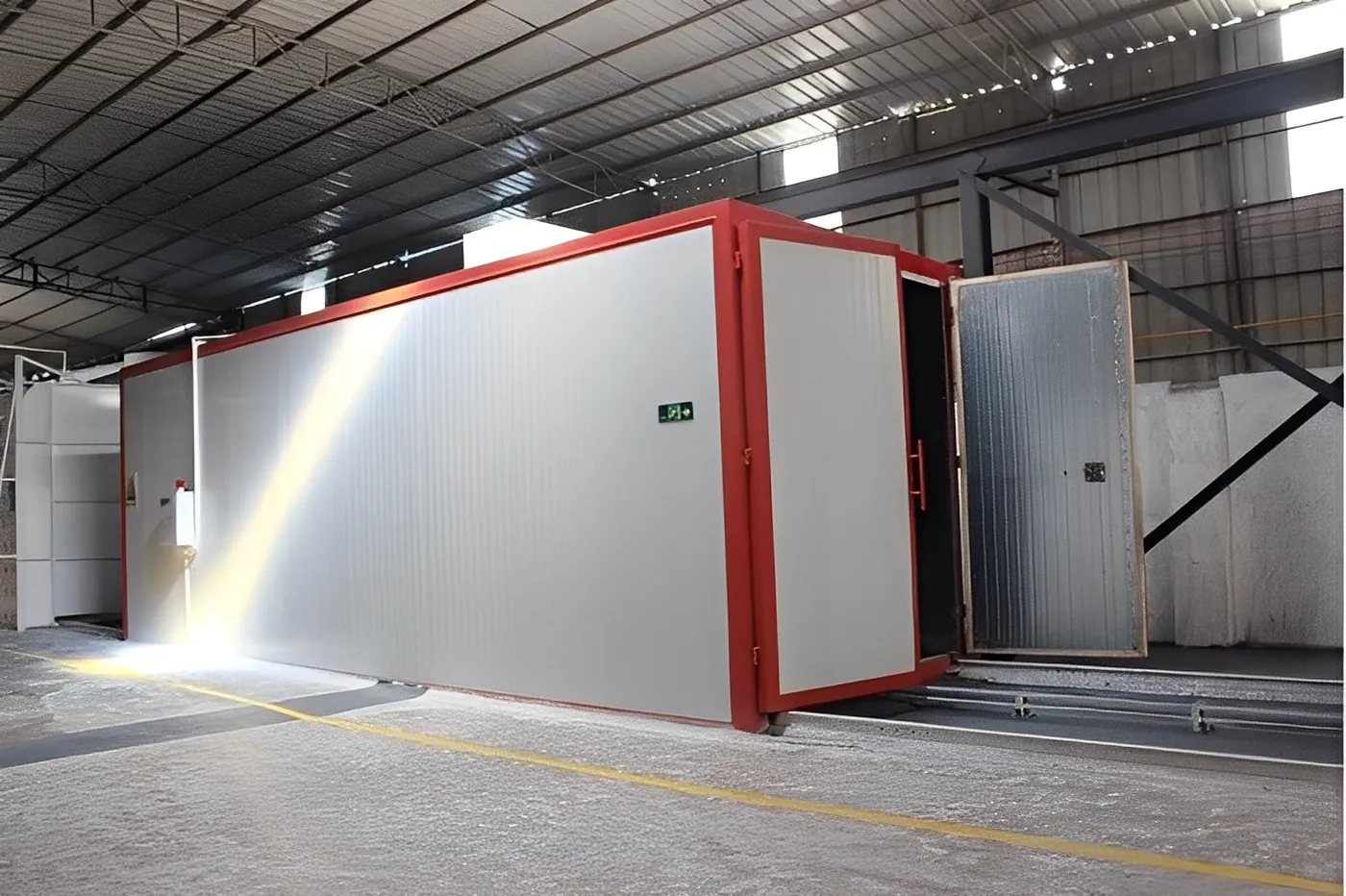
Batch / Walk-In Ovens
Ideal for job shops, low-volume production and large or irregular parts. Flexible loading with manual trolleys or floor rails.
- • Frequent colour and product changes
- • Simple layout and easier installation
- • Good choice when starting manual lines
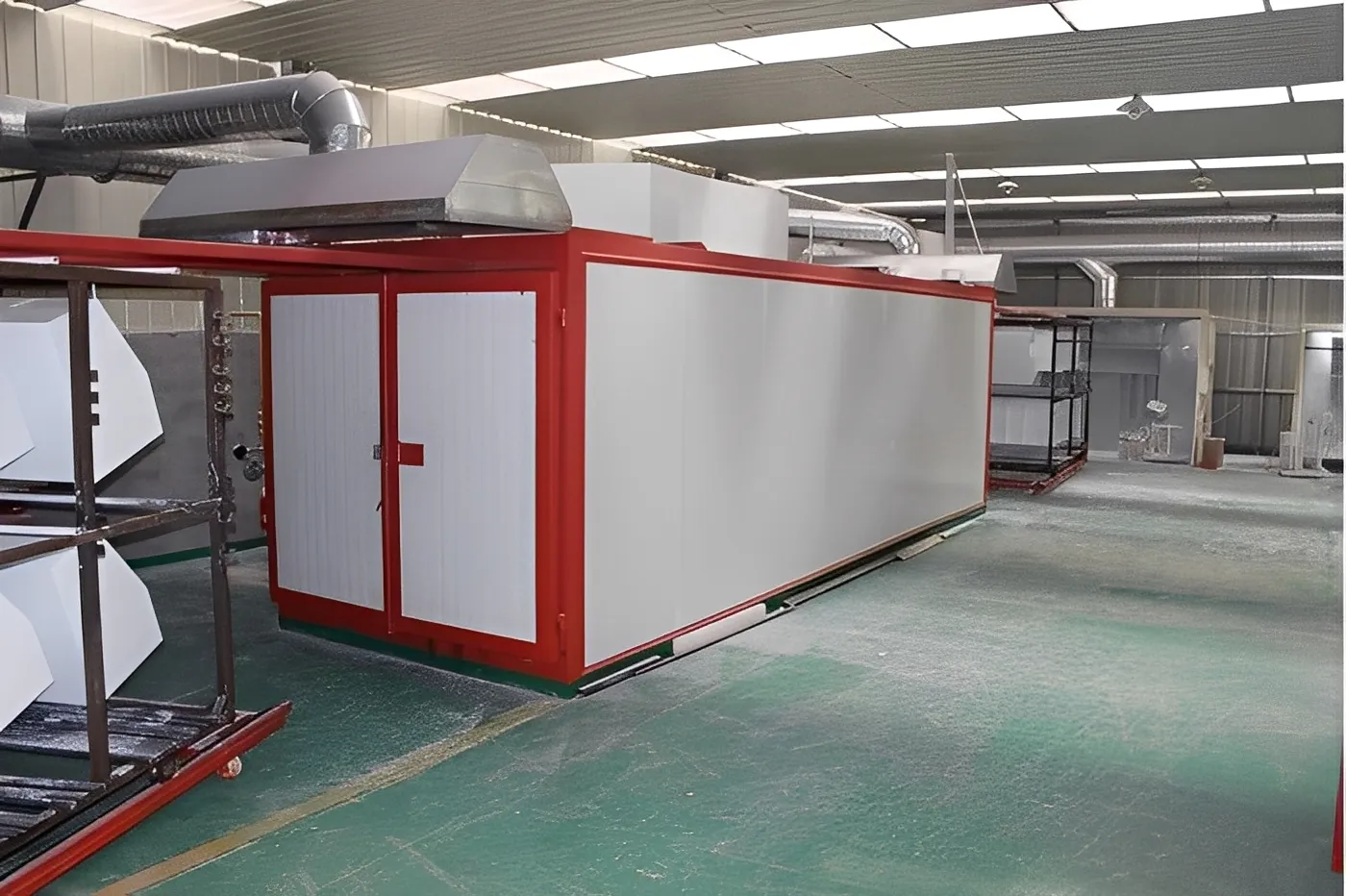
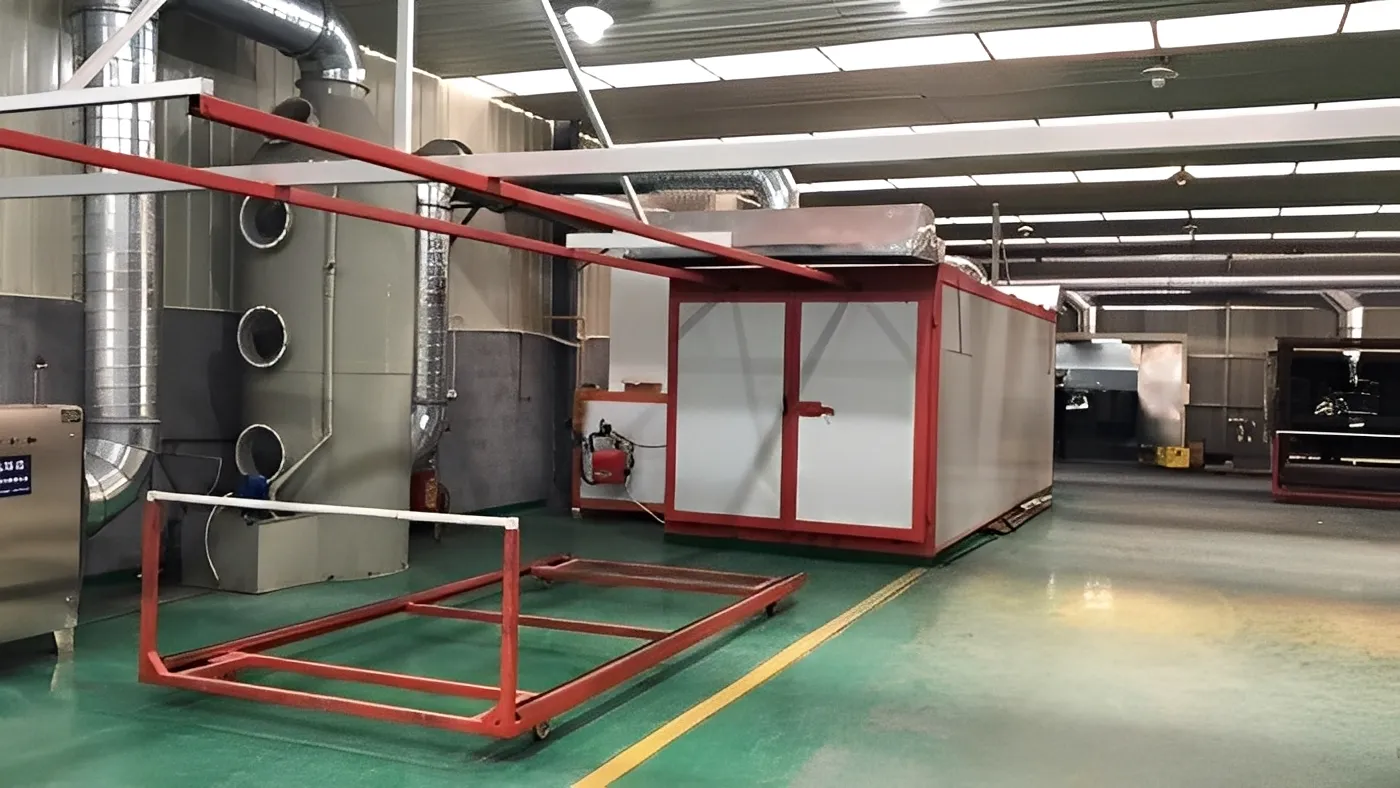
Tunnel / Conveyor Ovens
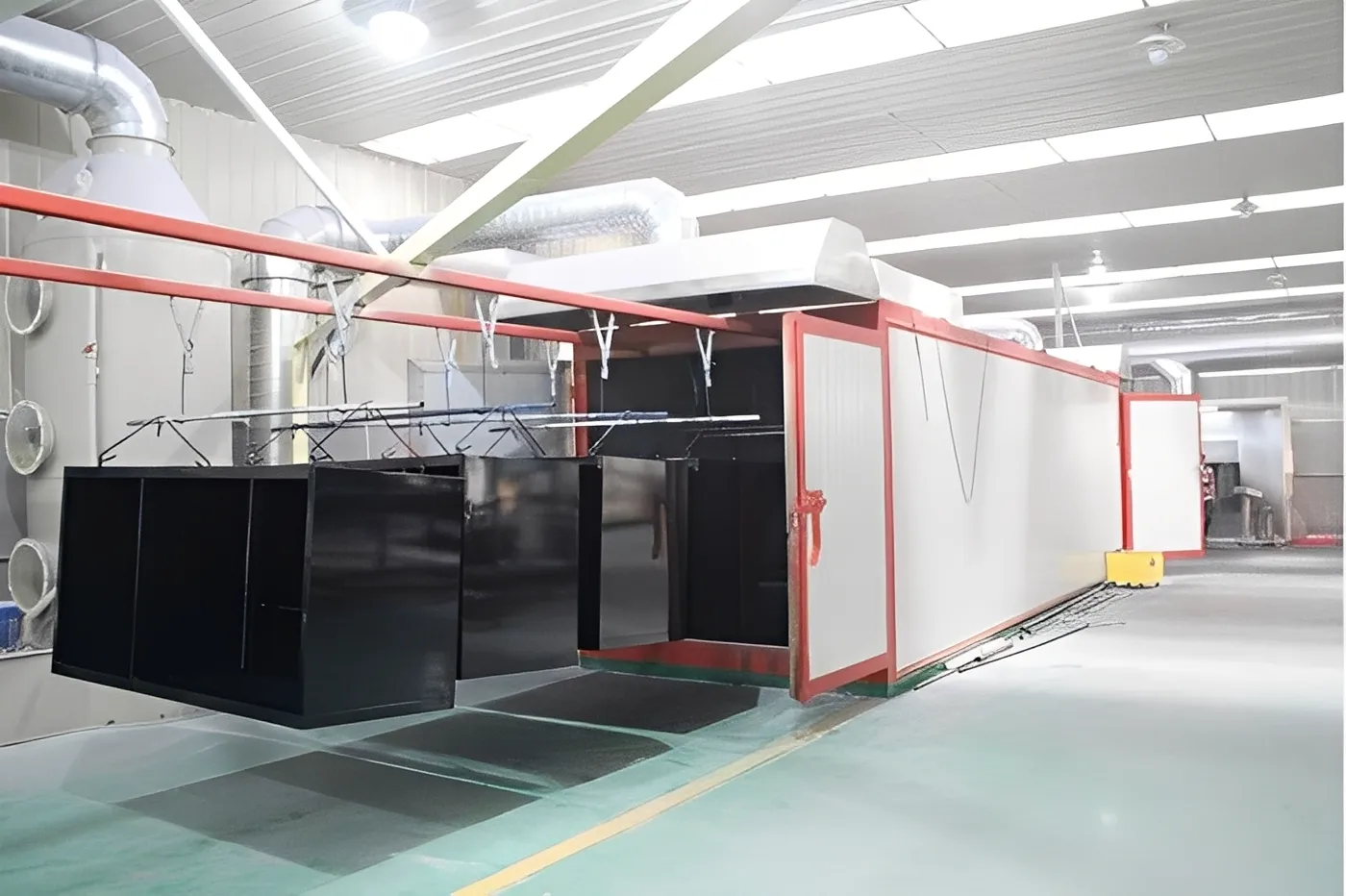
Designed for medium to high-volume production with overhead or power-and-free conveyors. Stable curing and repeatable output.
- • Integrated with complete automatic lines
- • Controlled dwell time and line speed
- • Multi-zone temperature control
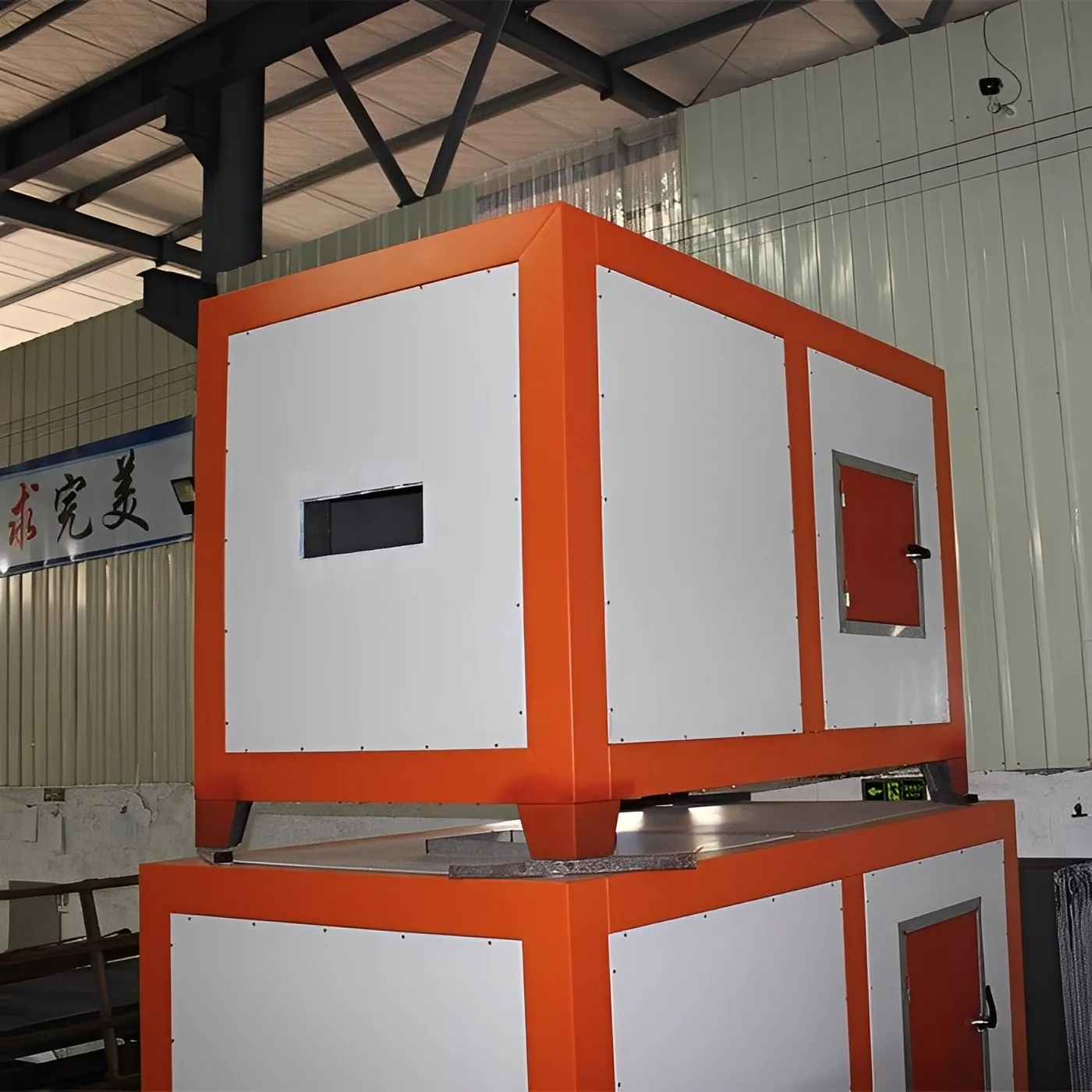
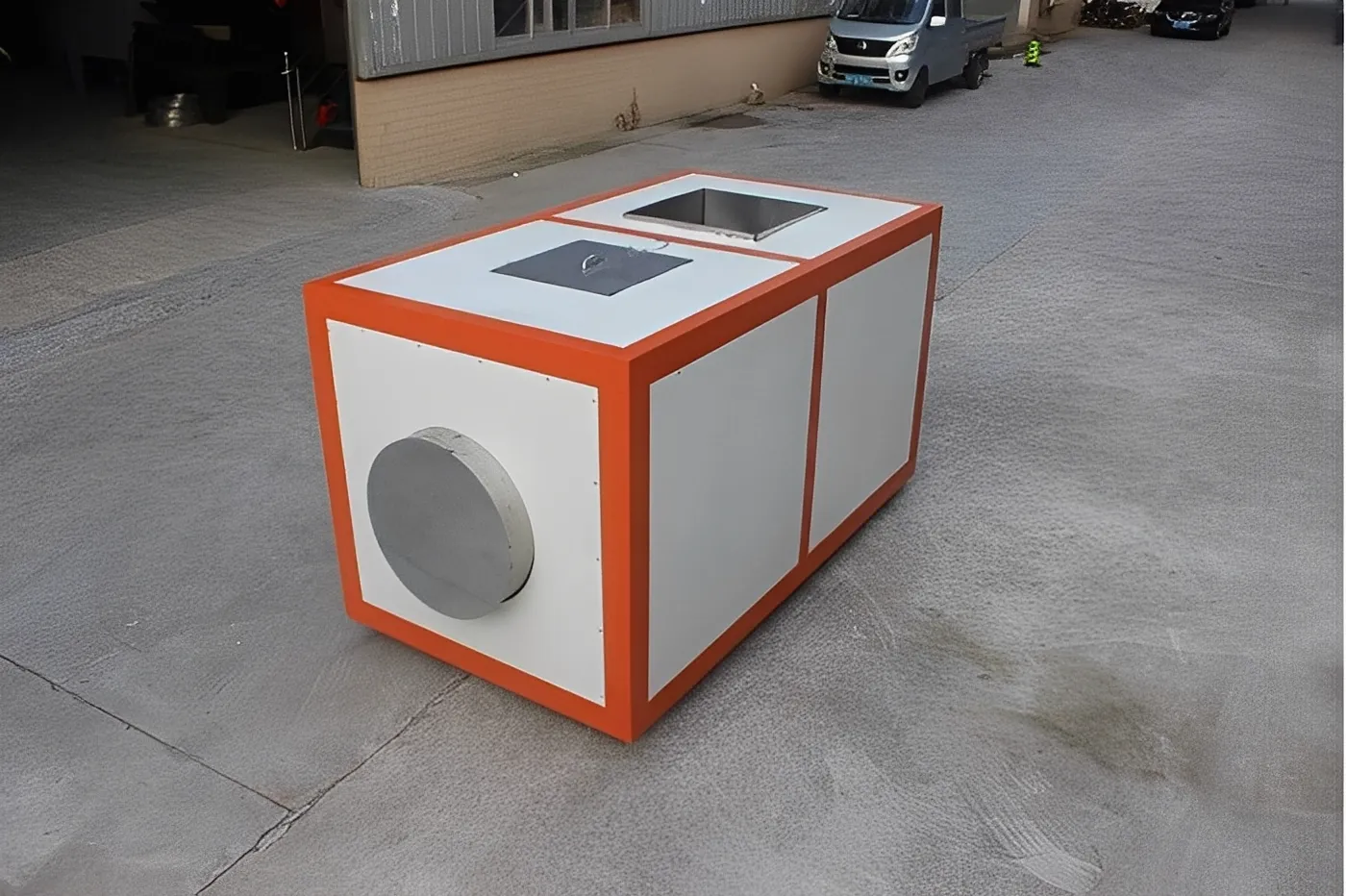
Compact Box Ovens
Smaller curing ovens for independent use, sample lines or separate curing zones inside your workshop.
- • Good when space is limited
- • Flexible for R&D or small batches
- • Easy to relocate if layout changes
Not sure which oven type fits your line?
Send your product size, weight, powder curing window and target output. Ketu will recommend batch, tunnel or compact oven options.
Key Engineering Features & Advantages
Ketu curing ovens are not just heating boxes. Each design is engineered around your parts, powders and production targets to deliver repeatable coating quality.
-
Uniform Temperature Distribution
Multi-zone design and calculated airflow patterns minimise hot and cold spots across the entire load.
-
Optimised Airflow
Horizontal or vertical airflow is selected according to part geometry and racking to avoid shadow areas.
-
High-Performance Insulation
Thick, high-density insulation panels reduce heat loss and keep outer skin temperatures safe for operators.
-
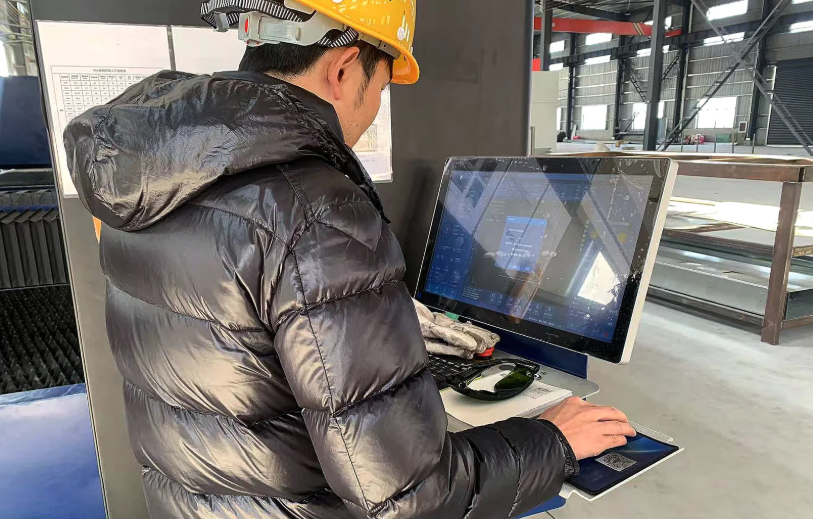
Smart Controls & Monitoring
Digital or PLC control systems with curves, alarms and optional data logging for process traceability.
Airflow & Ducting Layout
Example airflow diagram for a tunnel oven. Final configuration is based on your part geometry and racking method.
Designed for Energy Efficiency & Long-Term Cost Control
Over the lifetime of a powder coating line, energy cost is one of the largest expenses. Ketu focuses on insulation, burner control and exhaust design to reduce your operating cost.
- Multi-layer insulation and tight door seals reduce heat loss.
- Modulating burners match real heat demand instead of on/off cycling.
- Exhaust balancing avoids wasting hot air and keeps oven pressure stable.
- Standby modes help save energy during breaks or off-peak hours.
15–25%
Typical energy savings vs. basic ovens*
24/7
Stable operation for high-duty cycles
>10 yrs
Typical design life with correct maintenance
Integrated into Your Complete Powder Coating Line
The curing oven is one key stage inside a full powder coating system. Ketu designs the oven together with pretreatment, booth and conveyor to achieve a smooth, balanced line.
Typical Line Sequence
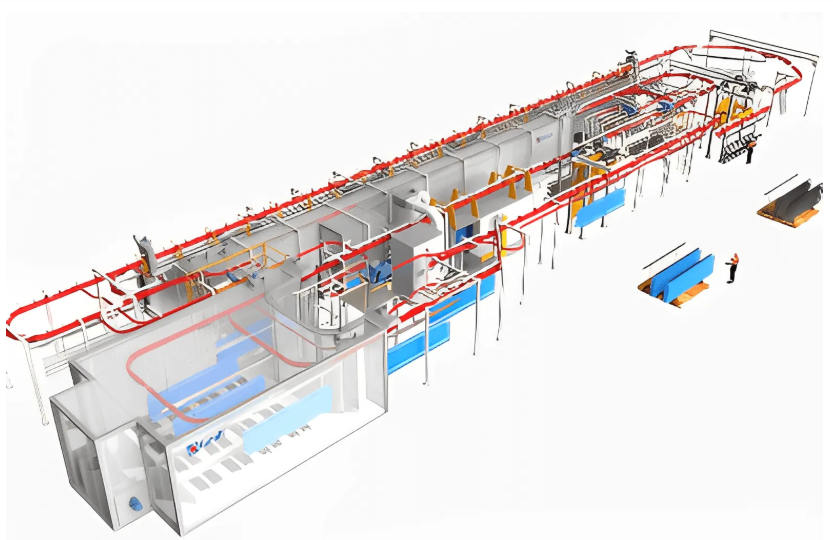
Sample layout with pretreatment, dry-off, booth, curing oven and cooling section for continuous conveyor lines.
Matched to Conveyor Speed & Dwell Time
We calculate oven length according to the required curing time and your conveyor speed, ensuring parts stay inside the curing window without slowing down the line.
Working with Single or Separate Ovens
Depending on your parts and pretreatment process, we can use separate dry-off and curing ovens or design a combined solution.
Space Planning & Line Layout
Ketu provides 2D / 3D layouts and checks column positions, door openings and service access in your workshop.
Industries & Applications We Serve
Ketu curing ovens are running in different markets with different powder chemistries, from outdoor furniture to electrical cabinets and aluminium profiles.
Outdoor Furniture
Garden sets, chairs and tables requiring durable, UV-stable finishes with excellent appearance.
Typical powder: polyester, super-durable polyester.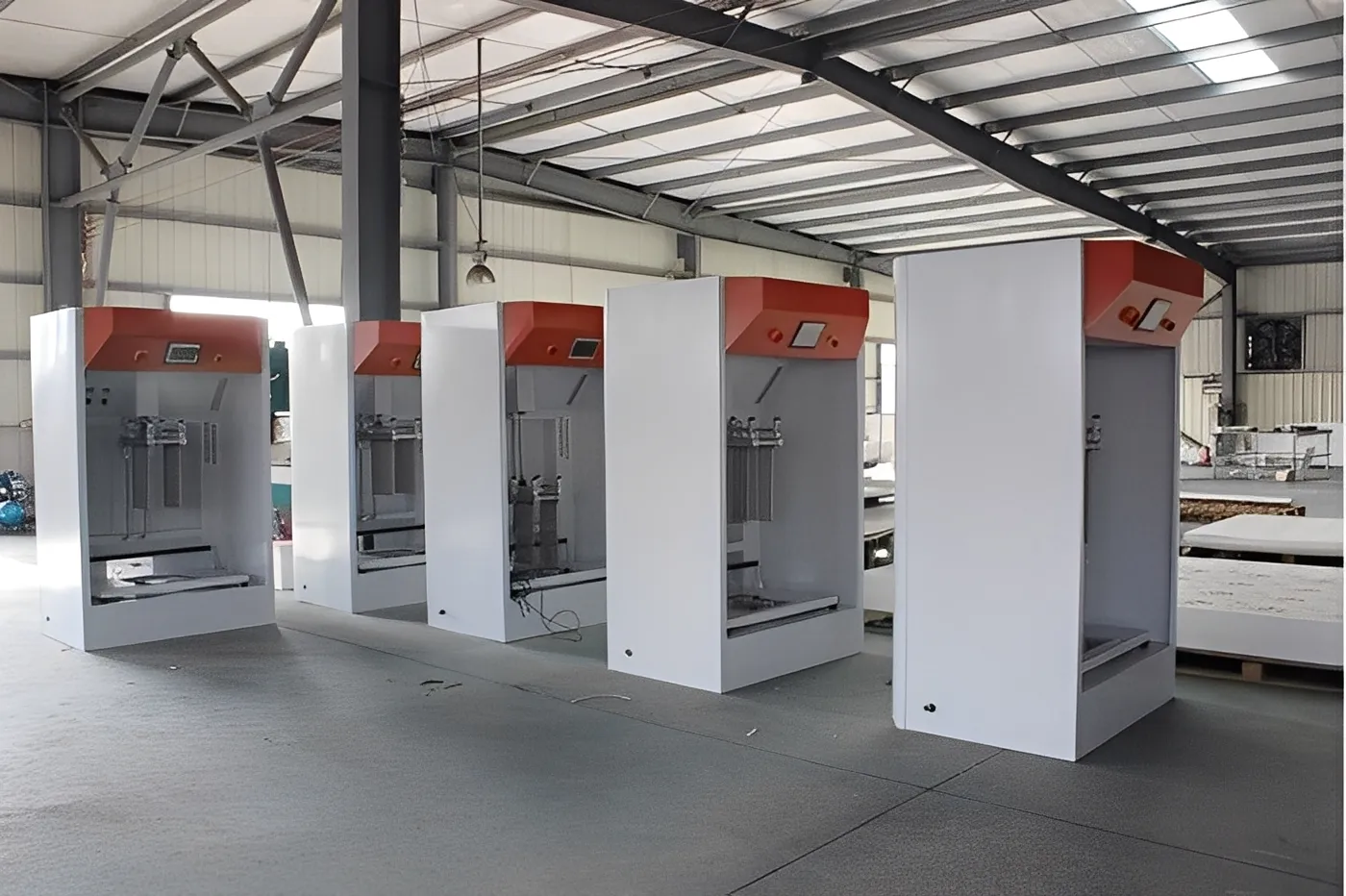
Electrical Cabinets & Panels
Switchgear, telecom cabinets and control panels needing strong adhesion and corrosion resistance.
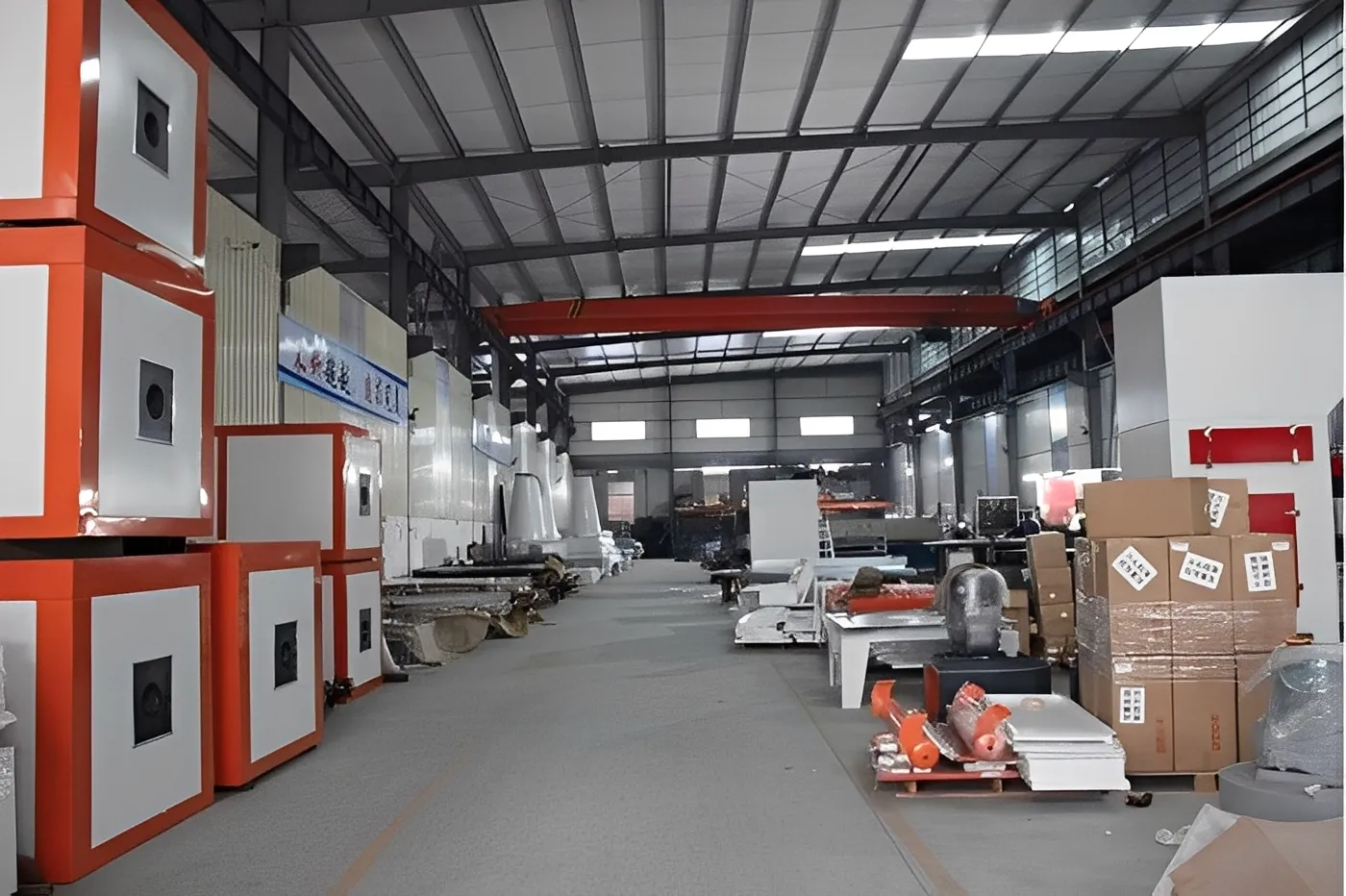
Typical powder: epoxy-polyester hybrids, epoxy primers.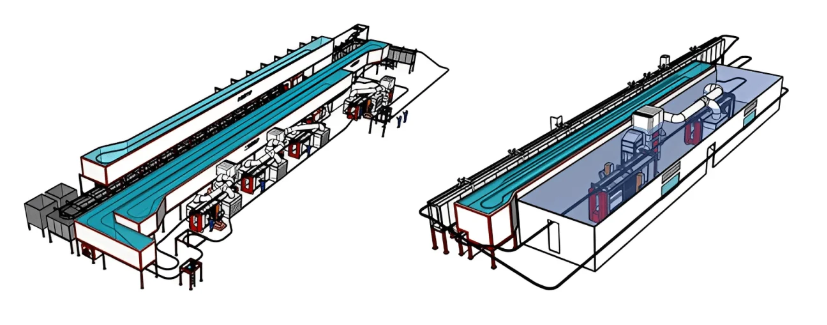
Aluminium Profiles
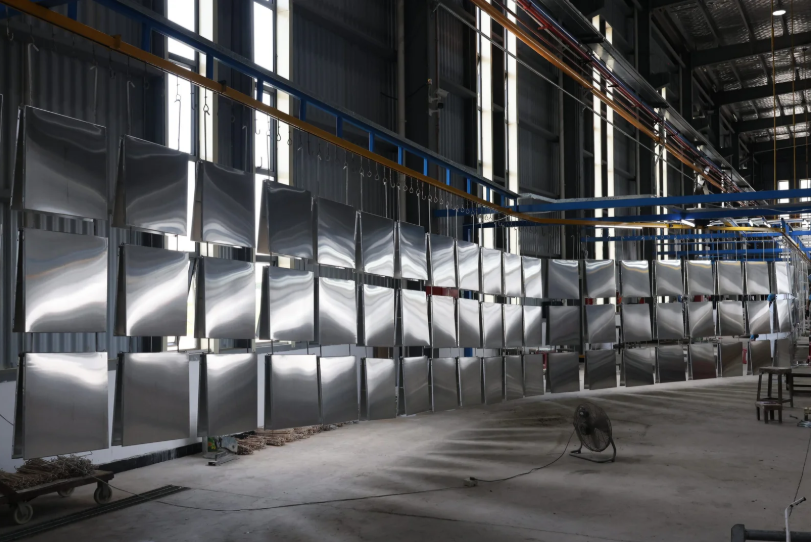
Architectural profiles and industrial extrusions where colour consistency and film thickness are critical.
Typical powder: architectural polyester powders.General Fabrication
Machinery frames, welded parts and steel structures.
Racking & Shelving
Warehouse racks, supermarket shelving and logistics equipment.
Automotive Components
Brackets, accessories and commercial vehicle parts.
Custom Projects
Special layouts for your unique products and constraints.
How We Design the Right Curing Oven for You
We start from your real production situation – parts, output, building and energy – and engineer a curing oven that fits into your line and your budget.
-
1
Collect Basic Data
Maximum part size and weight, output per hour/shift, powder specification and available space.
-
2
Recommend Oven Type & Heating
Batch vs. tunnel, gas vs. diesel vs. electric – chosen according to your production and energy cost.
-
3
Detail Airflow & Insulation
Engineering calculations for temperature uniformity, airflow and insulation thickness.
-
4
Provide Layout & Quotation
2D / 3D layout drawings, technical proposal and clear pricing for decision making.
Typical Information Package You Can Send:
- • Part drawings or photos with dimensions
- • Powder supplier’s curing data sheet
- • Workshop layout, even a simple sketch
- • Preferred fuel type and local power data
Need a preliminary oven layout?
Send your part size, output target and workshop dimensions. We can help you check oven length, heating type and line position.
Sample Curing Oven Project Cases
A quick overview of how Ketu curing ovens are running in different regions and industries.
Contact us to see more detailed project photos and layouts for industries similar to yours.
Outdoor Furniture – Turkey
Continuous tunnel oven for garden furniture factory
- • Integrated with automatic powder coating line
- • Stable curing for complex chair frames
- • Reduced rework and colour difference
Electrical Cabinets – North Africa
Large walk-in batch oven for switchgear cabinets
- • Floor-rail loading for heavy cabinets
- • Strong adhesion and corrosion resistance
- • Meets local energy and safety standards
Aluminium Profiles – India
Long tunnel oven for architectural profiles
- • Balanced airflow along full profile length
- • Energy-optimised insulation to reduce gas use
- • Consistent colour and film thickness
Technical Highlights & Specification Overview
Temperature Range
Typically 160–240°C, adjustable by controller.
Heating Methods
Direct-fired gas, indirect gas, diesel or electric.
Construction
Modular steel frame with high-density insulation panels.
Controls
Digital / PLC controllers with alarms and optional recipes.
Air Circulation
High-efficiency fans with calculated airflow patterns.
Safety
Over-temperature protection, interlocks and emergency stops.
Example Oven Section Drawing
When you confirm the project, we provide detailed drawings with dimensions, duct routing and service access for your approval.
Curing Oven – Frequently Asked Questions
Some of the typical questions engineers and factory owners ask when they plan a new curing oven.
1. What information do you need to size the curing oven? →
2. Can you design both batch and conveyor curing ovens? →
3. Which heating method should I choose – gas, diesel or electric? →
4. How do you ensure uniform temperature inside the oven? →
5. Can one curing oven work with different powder suppliers and colours? →
6. Can you connect the curing oven to my existing powder coating booth and conveyor? →
7. What is the typical delivery time for a curing oven? →
8. How do you handle installation and commissioning overseas? →
9. What about maintenance and spare parts for the oven? →
10. Can you upgrade or extend an existing curing oven? →
Ready to Discuss Your Curing Oven Project?
Send us your part dimensions, powder curing data and required output. Ketu will design a curing oven and complete powder coating line proposal tailored to your factory.
Curing Oven Inquiry
Send Your Curing Oven Requirement
Tell us your part size, powder curing data, output target and workshop space. Ketu engineers will review the oven concept.
 English
  German
  Vietnamese
  French